Some followers donate or subscribe, and if you like my posts but don't want
to subscribe, I can still help you. Again, just tell me what you're looking for!
This isn't the end of the line. There many more posts from your host,
Richard Allen McFarland
Remember way back when all the newest computers needed more RAM?
Enjoy my fun and exciting tech projects with RAM's Random Access Machine.
I'll take you back to the Good Ol' Days, when Computers were cool ... ... let's go there and back again ...
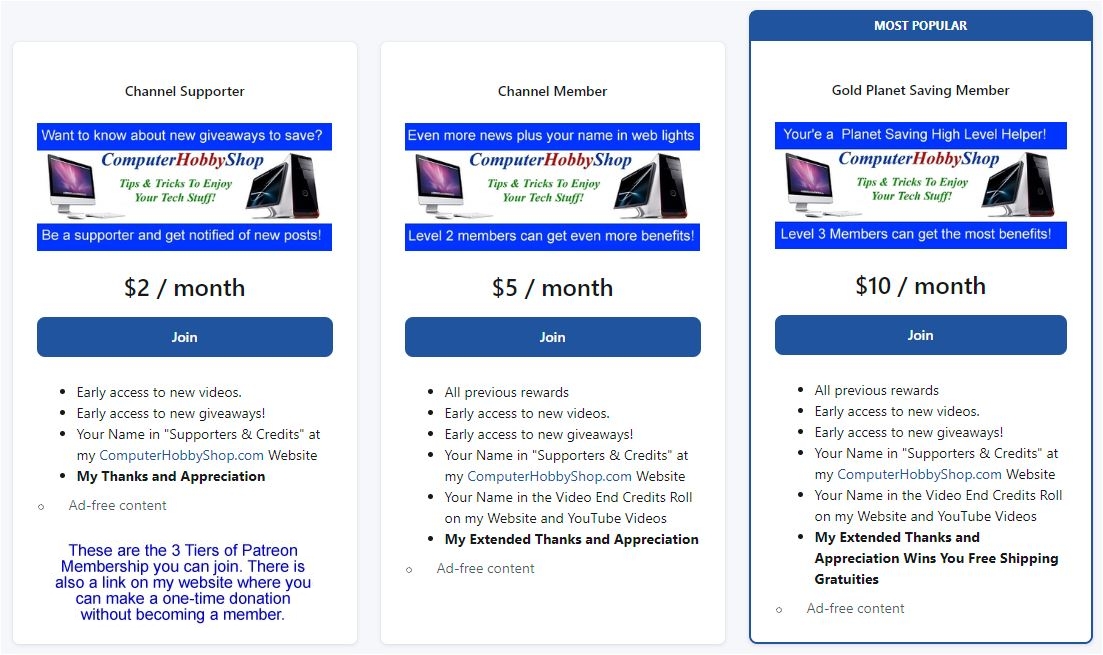
If you enjoy the content on ComputerHobbyShop.com and want to support
this non-profit project, subscribing is a simple way to help keep it going.
You'll get early access to new posts and behind-the-scenes updates.
Praise: Great A+ Trainer! Top notch, will tell all my friends about ComputerHobbyShop.
A payment will appear on your monthly receipt as "ComputerHobbyShop"
It's easy and you can unsubscribe at any time.
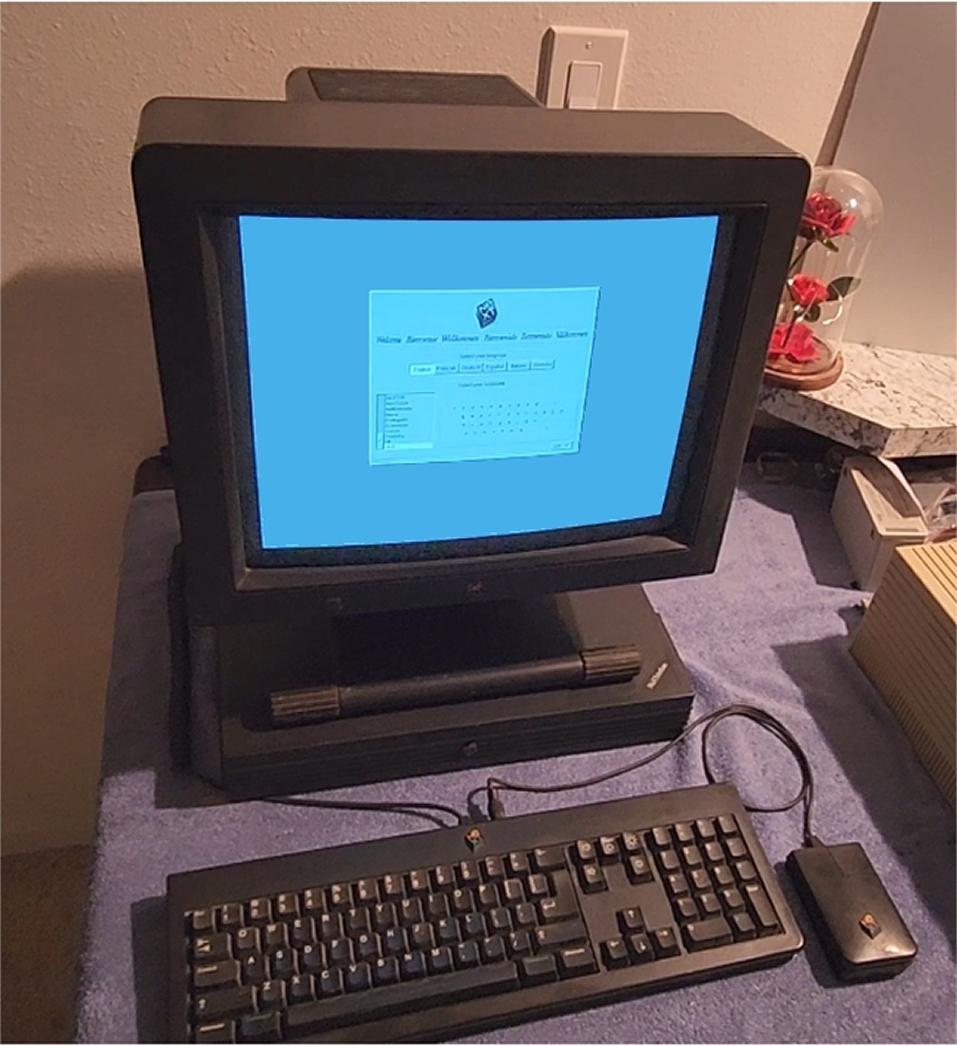
Of course I enjoy my NeXTstation computers...
But we should note that without the NeXT chapter of Steve Jobs life,
we might not have the same style modern macOS today.
So I wanted to find the lost Steve Jobs's NeXT Computer Factory Video, (which I found on
a WayBack archive), and I took it and made a better resolution recreation from the archive.
I can't believe it got over 900 views in days and won an award from The Centre for Computing History!
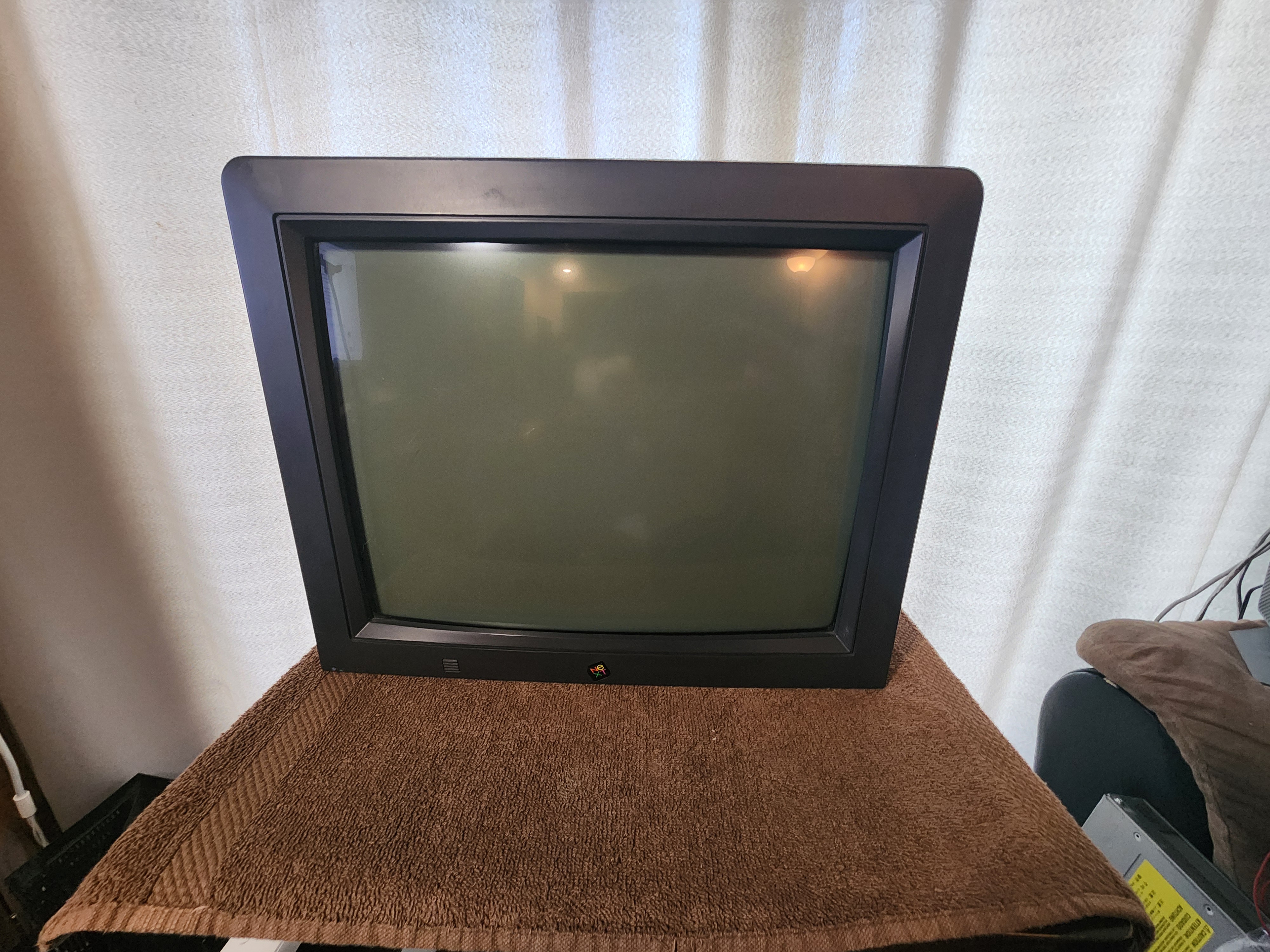
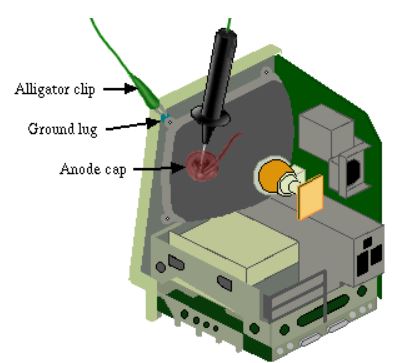
Here's a NeXT MegaPixel Display Mono Cathode Ray Tube Replacement in
the original case shell. The vintage N4000A monitor was specifically designed for Steve Jobs's NeXT Workstation Slab or Cube, (a non-ADB MegaPixel Display).
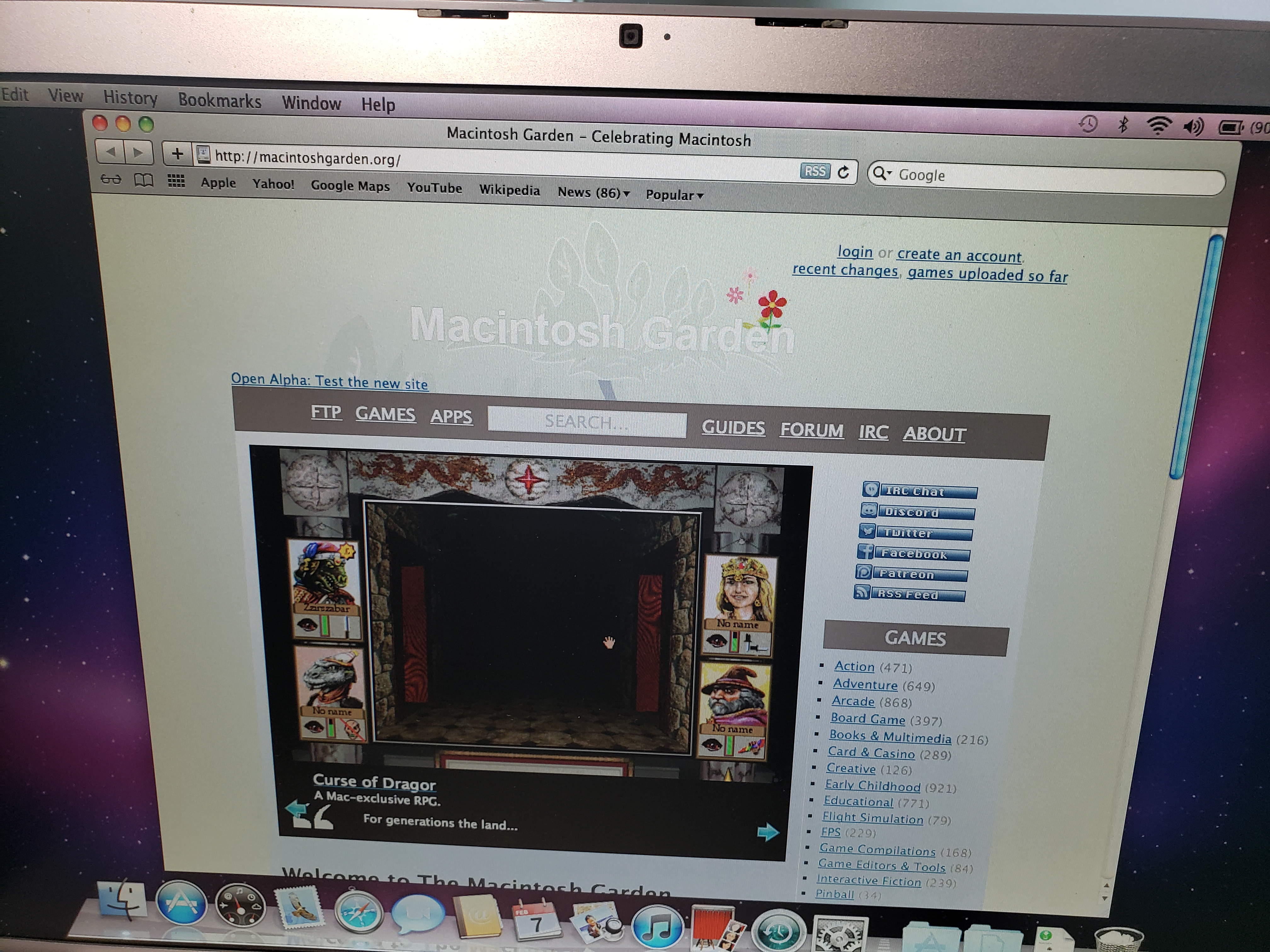
I have seen some posts whit people concerned about putting an old Mac on the Internet.
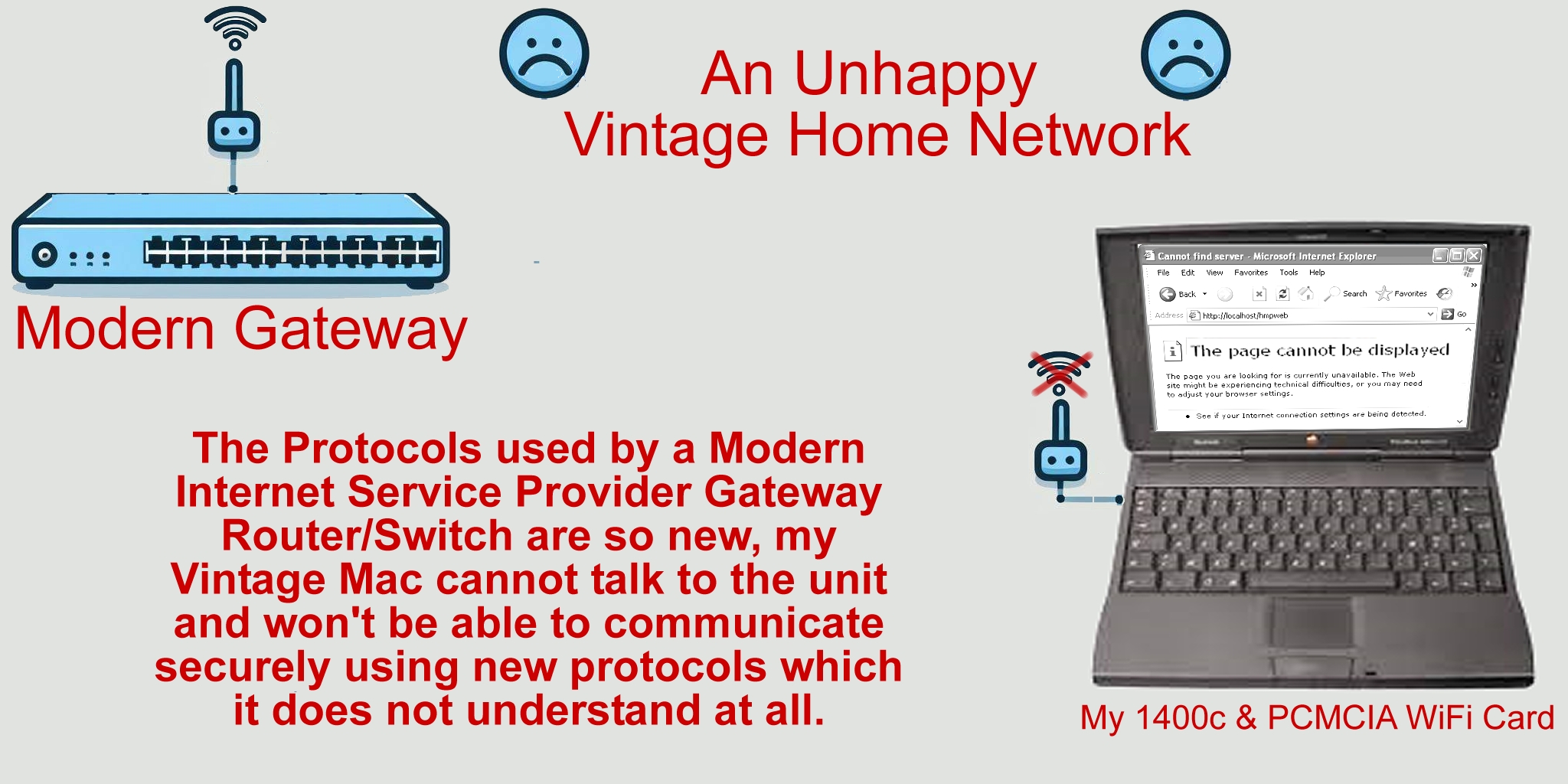
This post is not about 'net security', but about 'getting classic Macs online' at all.
Most Apple Macintosh Enthusiasts agree, the website "Macintosh Garden" is
a "must-go-to-place" for classic Mac computers we try to save & restore.
That is, of course, if we've managed to even make old Macs go online at all.
Even when we can make them work, few bad actors care to hack old Macs simply
because there are so few. Still, some hobbyists worry about a possible home network
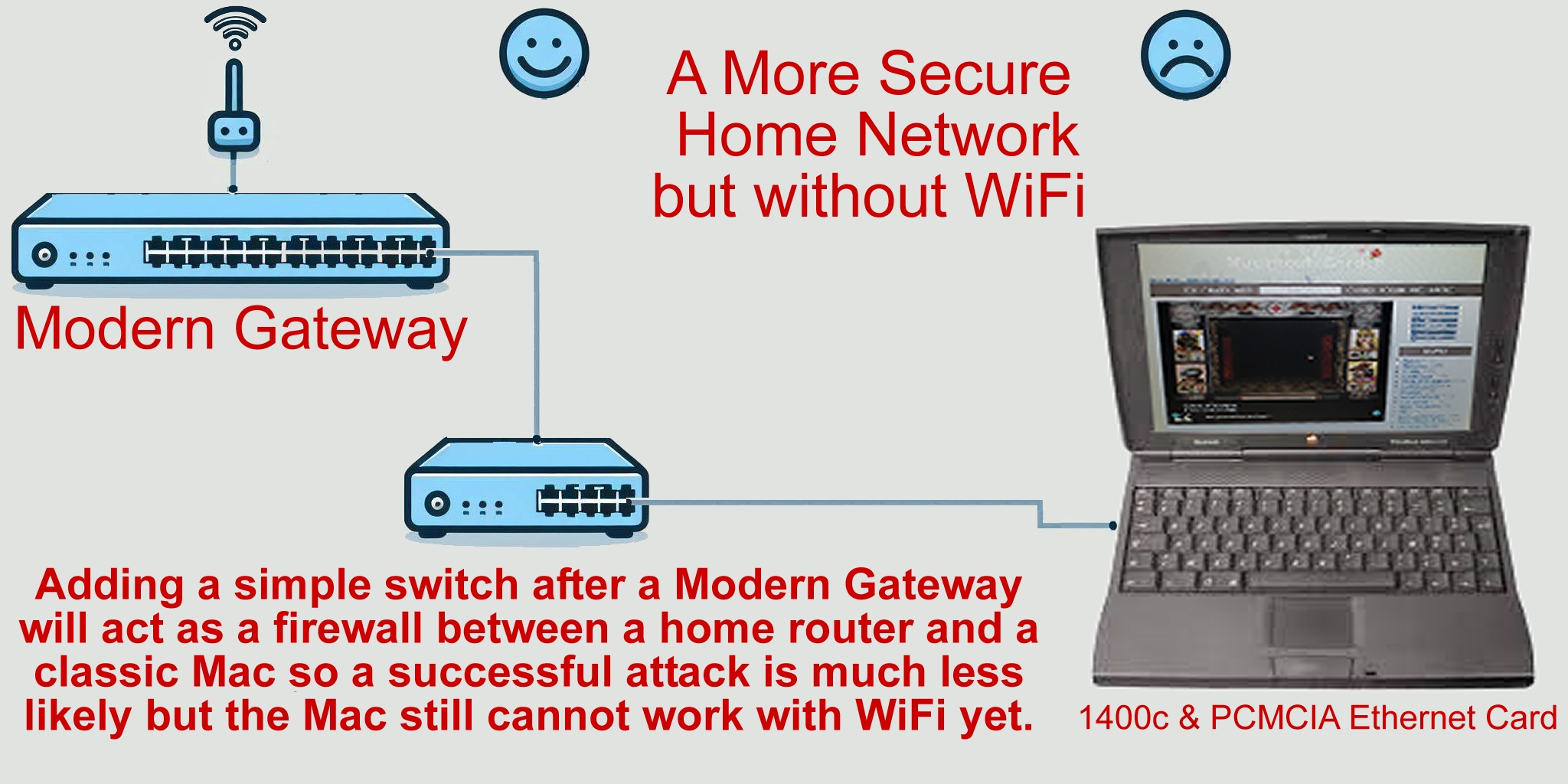
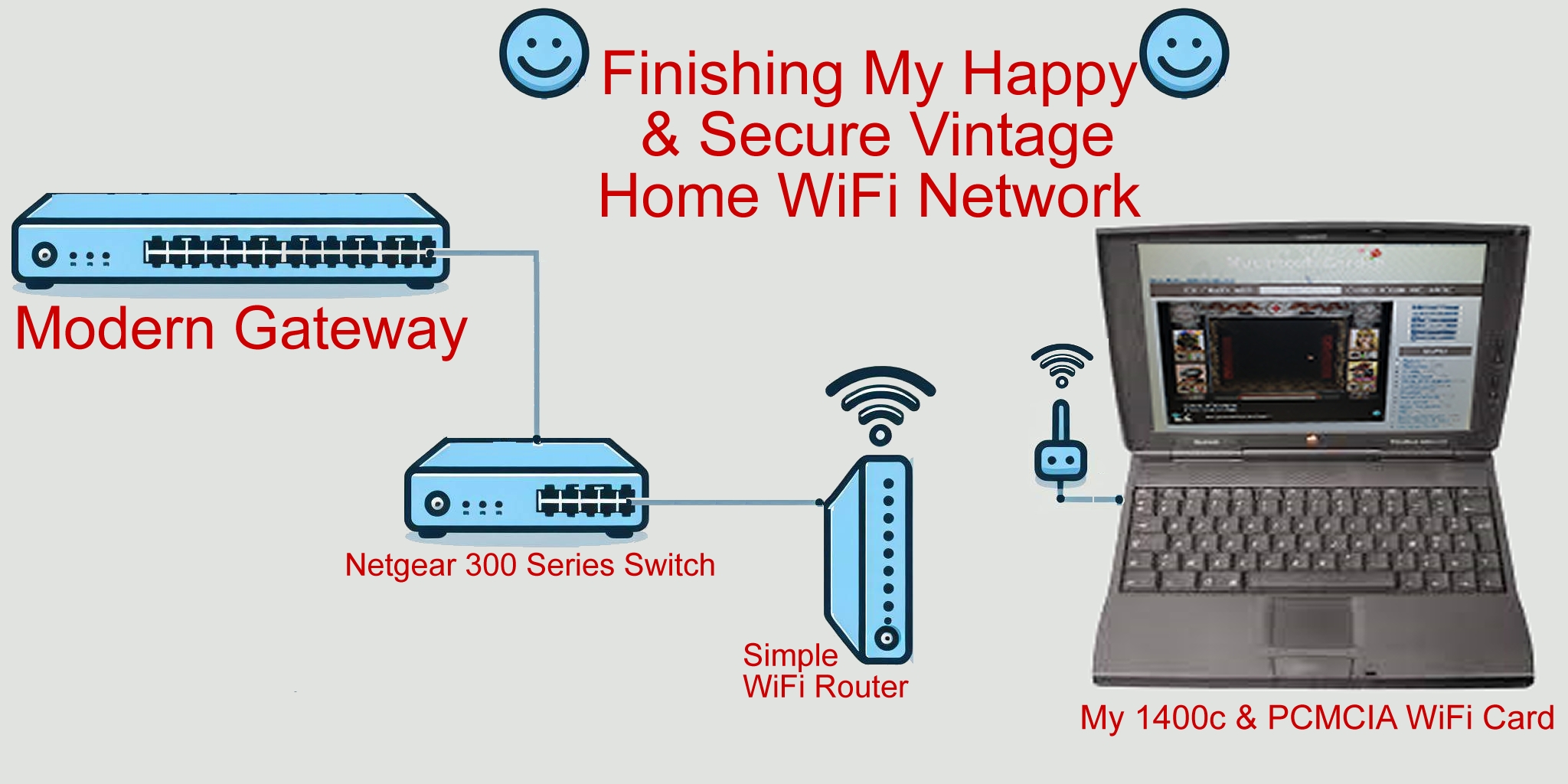
attack, so I suggest a simple solution... Use a second device as a firewall between your
primary router and a classic Mac or whatever rare vintage device you are using.
An inexpensive Netgear GS305 Switch will make it much less likely any intruder can
compromise your network data security, because the switch acts as a physical firewall.
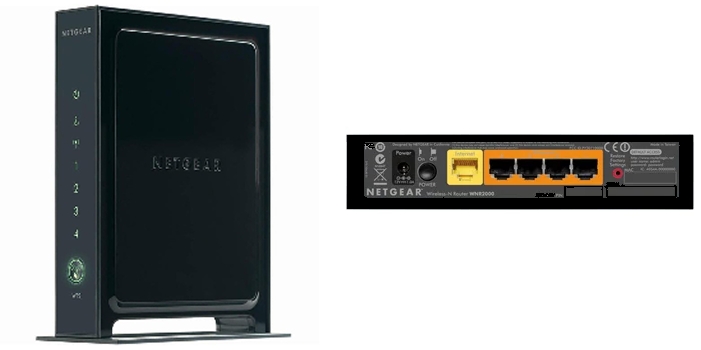
A WNR2000 offers needed early WiFi protocols like 801.11g & even older 802.11b,
as well as supporting some of the 802.11n standards you may decide to use later on.
The WNR2000 is old enough to talk to early PCMCIA WiFi cards in a Mac,
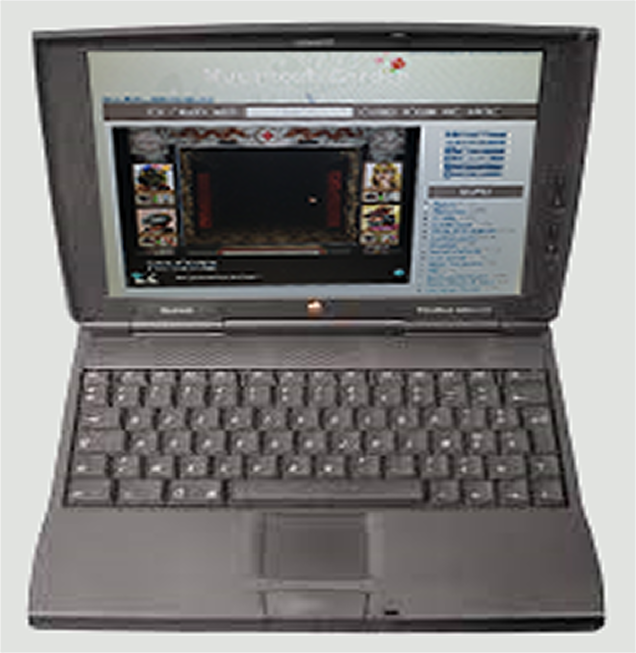
(like in my Powerbook 1400c), or even early Airport Cards a Mac might need.
Still, users are rightly concerned, older WEP, WPA, & WPA2 protocols are known to be
easily compromised, but with a Netgear GS305 in line between your primary Gateway
& Mac, any chances of a serious attack are nill to zero, (even if easily decoded).
The right gear will get your old classic computer online, & net security is not as much an
issue as setting up your hardware with the right protocols the Mac actually works with.
Even today, beyond basic connectivity, your vintage Macintosh SE/30 can be part of your
fully functional retro network. With the right hardware, you can share files, access legacy
software repositories, and even browse lightweight websites, as in the example I've posted below.
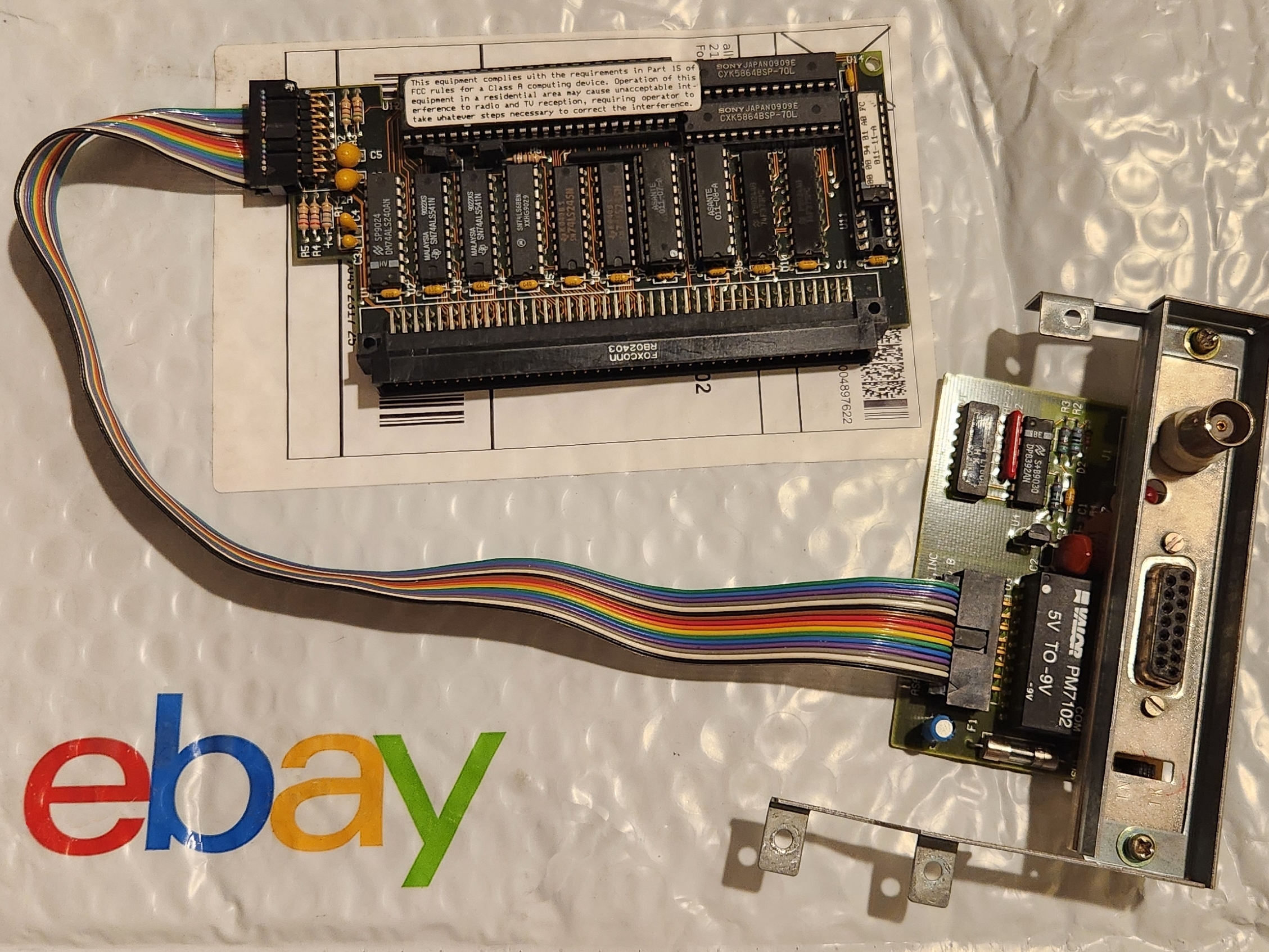
One of the most versatile solutions is the Asante Ethernet card, especially the Rev A model
designed specifically for the SE/30 with both BNC (10Base2) and AUI ports, allowing flexible
connections to different type networks. If you're restoring one, get an Asante SE/30 Ethernet card.
Stay tuned for more restoration tips and retro tech guides for your own vintage setup!
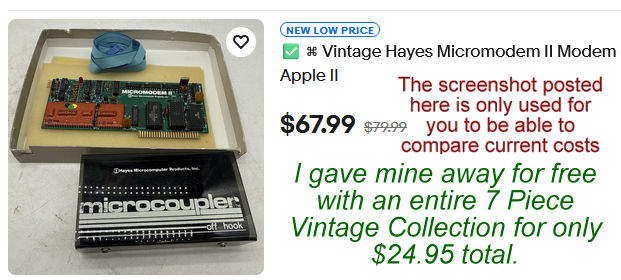
with the giving away of a Vintage Hayes Micromodem II (Hayes MMII), a pioneering 300-baud internal modem card launched in 1979 for Apple II computers. It combines a modem, serial interface & auto-dial/answer capabilities on a single card.
Yes, I know -- a price comparison isn't fair since this was included free.
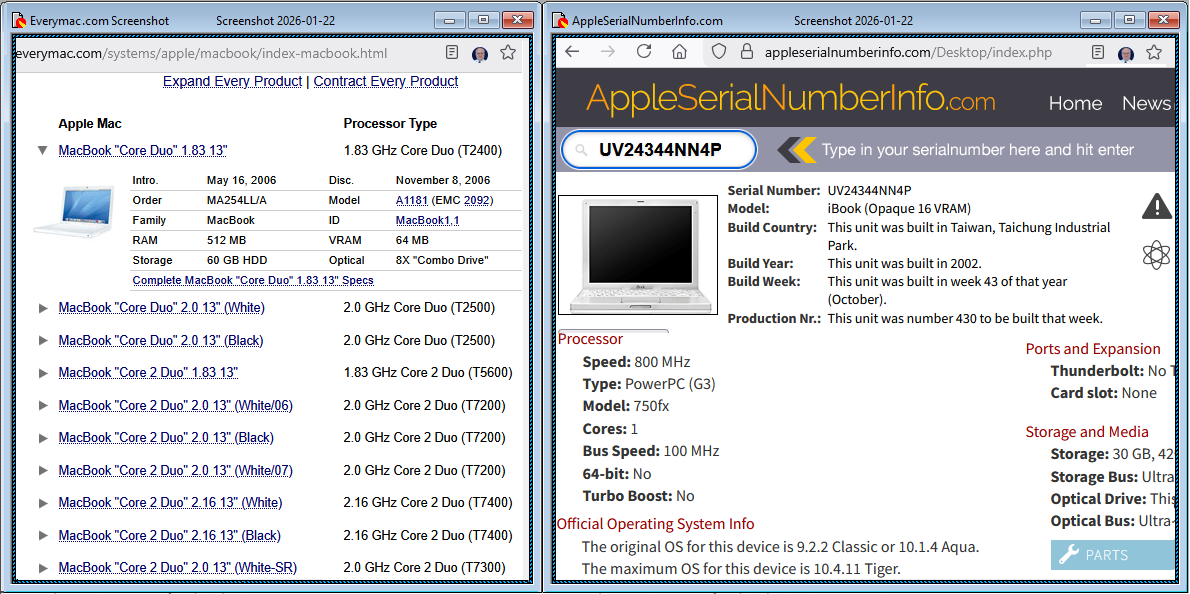
The left side of the screen shot below shows an example of what it looks like...
The right side of the image above shows how you discover it.
Write down the serial number off your Mac to find your specific model:
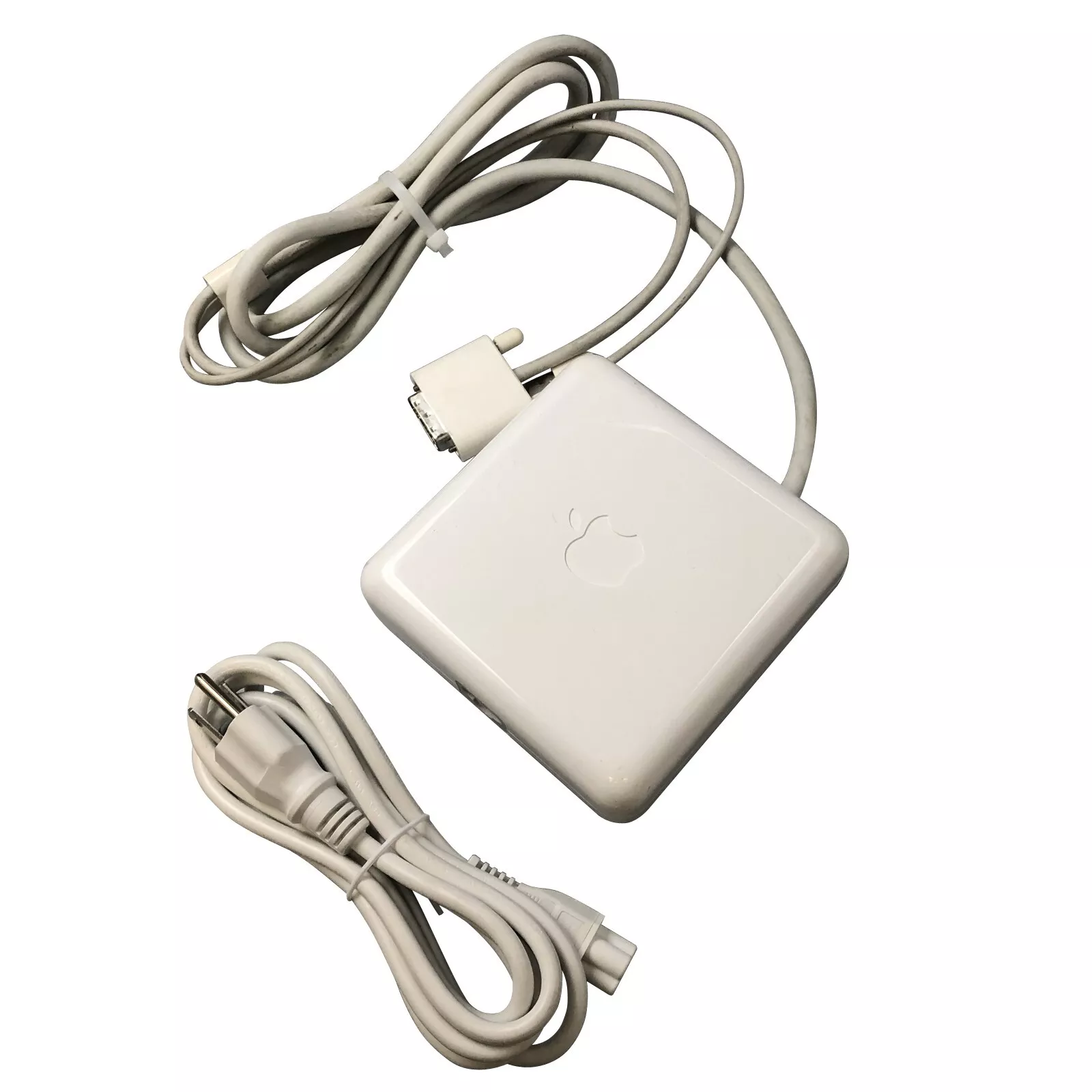
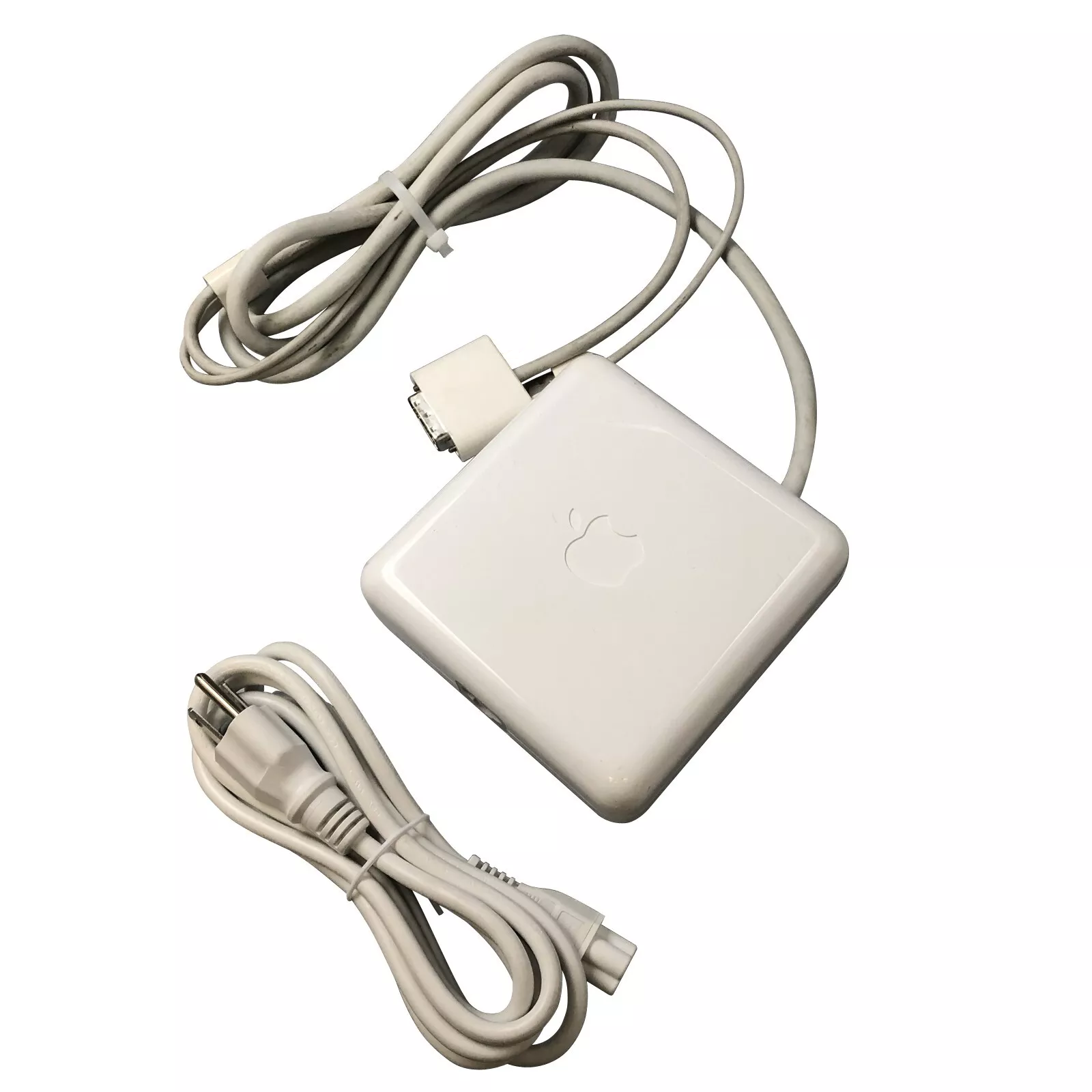
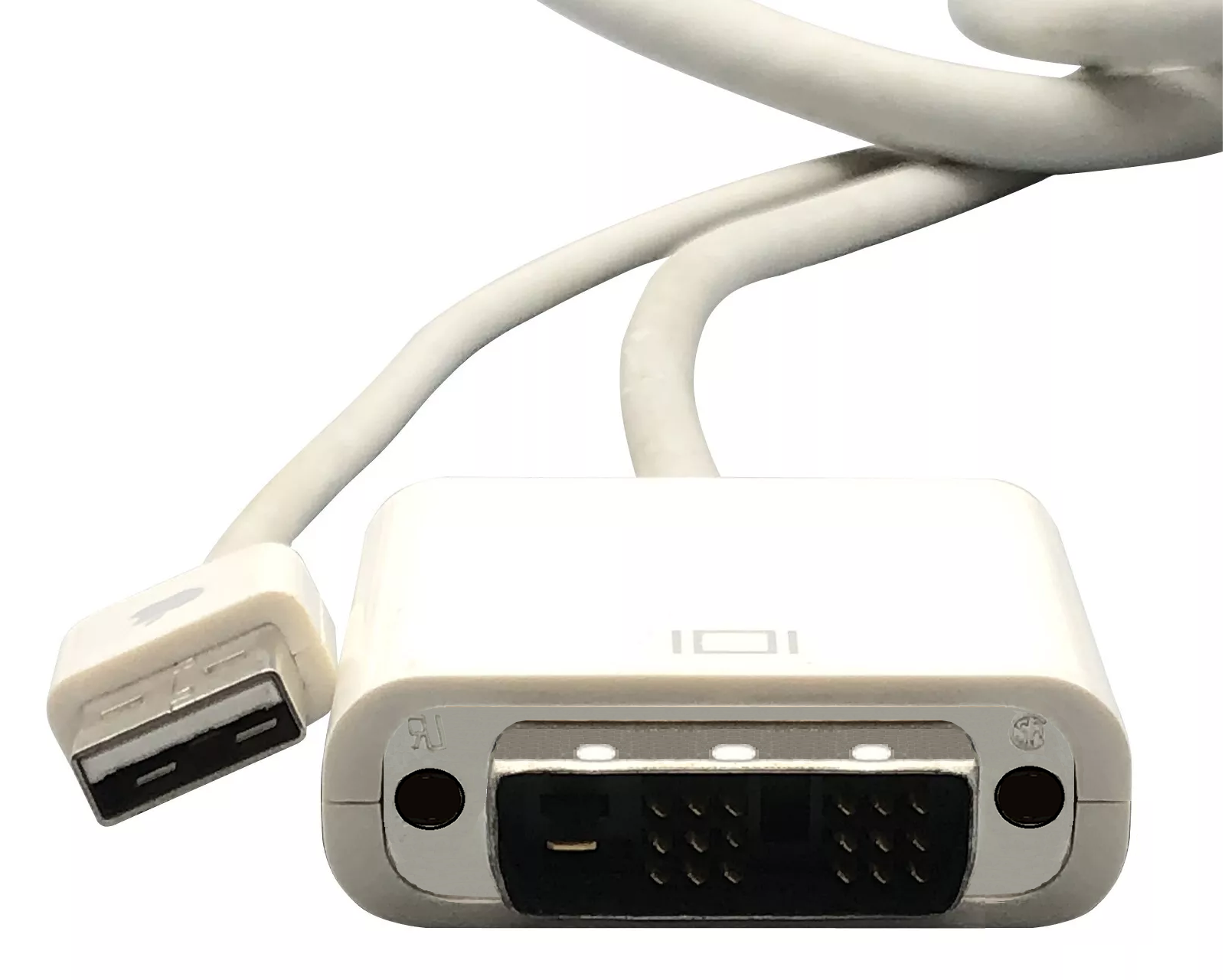
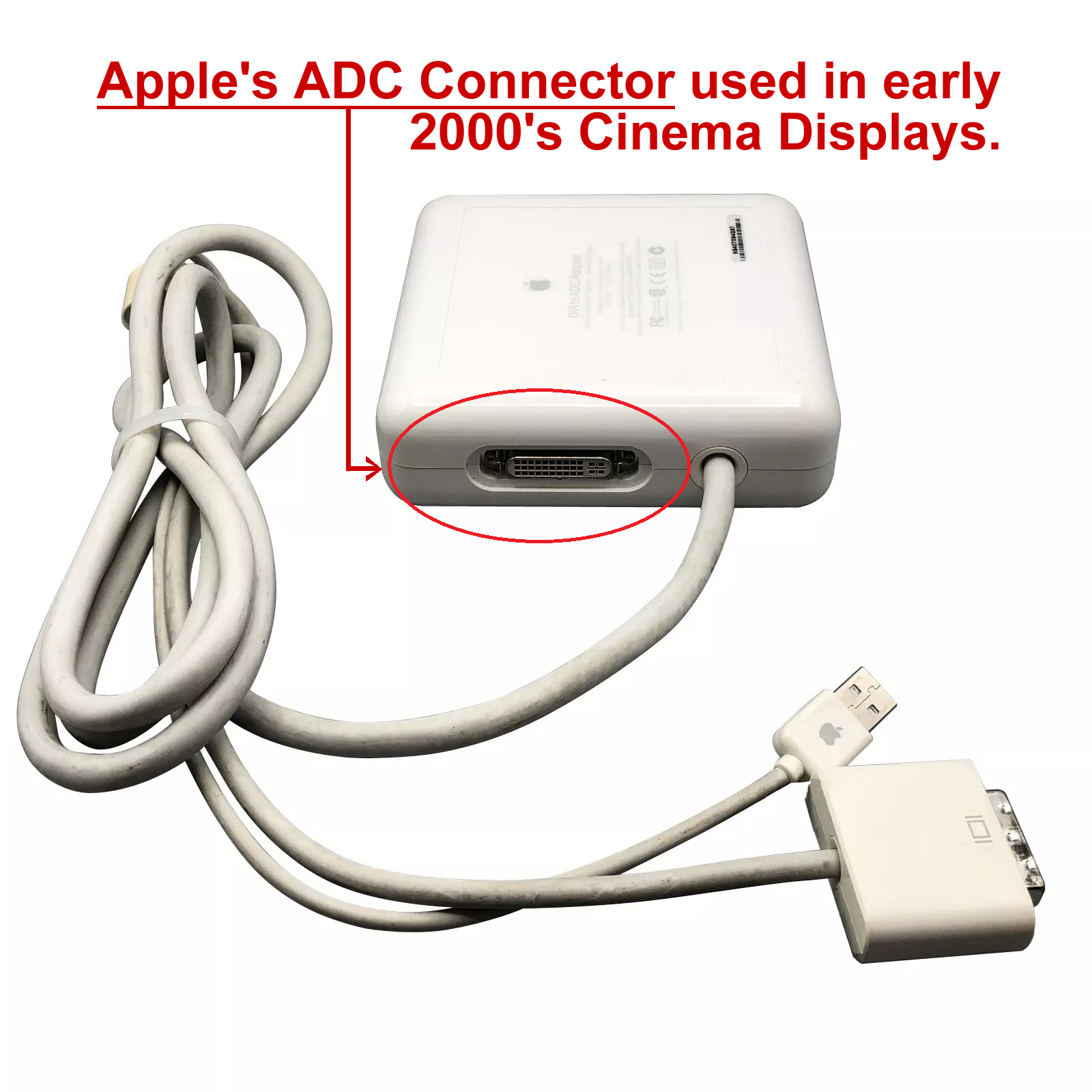
The Apple DVI to ADC adapter, introduced in 2002 & produced through 2006, allows a DVI-equipped
computer to connect to an ADC monitor by merging video, USB, and power into a single cable.
Why this adapter matters:
Manufactured in 2006, even after ADC was phased out in 2004.
Legacy Support for connecting ADC-based Cinema Displays to newer Macs.
Still in Demand among vintage tech enthusiasts keeping classic Apple hardware alive.
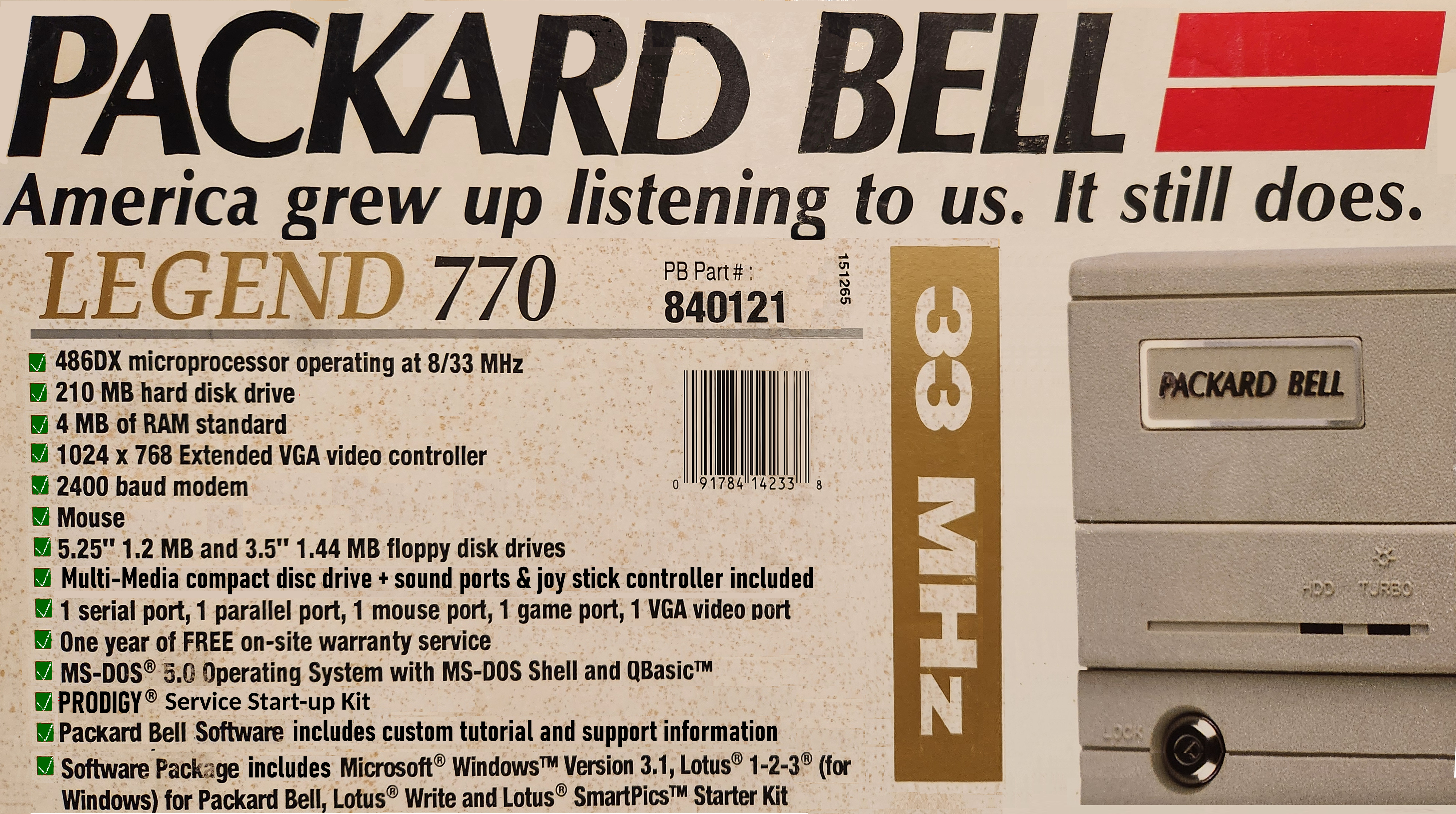
Windows 3.1 on a Packard Bell 770
Why Floppy Disk Installs Fail (and How to Fix It)
Installing Windows 3.1 on vintage Packard Bell systems--especially the
Packard Bell 770 (486/DX, ISA-based)--often fails for reasons that have
nothing to do with the operating system itself. The most common failure point is
Disk 1 of the Windows 3.1 floppy set, which is frequently unreadable even when
the rest of the disks appear fine.
This issue is usually caused by a combination of aged floppy media,
drive alignment drift, and Packard Bell-specific BIOS and
floppy controller quirks. Late-era Packard Bell systems are especially picky
about floppy drive timing, cable wiring, and drive-select behavior, and silently
ignore replacement drives that work perfectly in other PCs.
486 era SOIC Bad Chip and Repair Methods
Many 486 era Packard Bells cannot read floppy disks & changing the drive out does not help either.
If this happens, check out my SOIC Repair Guide, for a common Packard Bell hardware repair.
Key Takeaways
1st check for a bad SOIC chip issue, (usually due to battery acid and requires my hardware repair guide listed below).
Disk 1 fails first because it was used the most and formatted with tighter tolerances as Microsoft designed it to fail 1st.
Packard Bell OEM BIOSes may reject non-OEM floppy drives due to timing and signal differences which were not adjustable.
Cable Select vs. Drive Select mismatches can cause drive non-detection on 2000 era Packard Bells not offering select changes.
USB floppy drives are not compatible nor suitable for booting Windows 3.1 or other disk based OSes on vintage hardware.
If you do'nt have bad chips, just a dead drive, here is an Alternate Solution
Pair the controller with a known-good internal drive, eg. a
TEAC FD-235HF, Panasonic JU-257, or Sony MPF-series drive.
Consider 5.25 inch Windows 3.1 disk sets; the media often ages better than
3.5 inch disks, though drive condition still matters.
Image original disks when possible and preserve the physical media.
Vintage PC hobbyists takeaway: Most Windows 3.1 install failures are
hardware & controller compatibility issues, not just bad software. A
good ISA controller + high-quality drives make Packard Bells
more reliable to use.
Apple makes this popular MacBook model, a powerful favorite and sleek portable for many computing needs.
Apple had shipped it in an RFB box. (RFB = Refurbished by Apple).
Moved at a huge discount & shipped in the same Apple white box package. Click to see just how little is paid
This picture shows one of three*
Apple Mac minis bought from SDSU Surplus.
In this project each Apple Mac mini has the previous SDSU serial numbers on top.
Each got 1TB SSDs upgrades plus MS Office for Macintosh + common Apple software.
Each got a fresh macOS install to be restored with everything working.
Each SDSU Surplus Mac mini is the last model of an Apple Mac mini with a built-in DVD
Drive. Each mini came with an A/C power cord & I upgraded them to 16GB RAM.
As I said, I'm upgrading the old mechanical hard drive to a lightning fast 1TB SSD.
I'm telling visitors, "All persons who donate anything or join me
here will be automatically entered into my next cool giveaway!"
I made this site for my Vintage & Retro Friends and Followers,
so any winner who did not join, will have to pay shiping costs!
(Maybe joining isn't such a bad idea after all).
When only a few subscribe to enter giveaways, or
join me on Patreon
I'll again sell some items to cover costs for giveaways, so if you are in
the few who clicked my links, odds to win can be very low.
As fun as my door prizes tend to be, imagine... If only 5 people join my
Patreon Membership by my next computer Giveaway, the odds
are 1 in 5. If only 6 people have donated by my PayPal link those 6 are
added to the 5 and the odds are 1 in 11. If you donate any retro computer
or even just a part, then I add you to the list and the odds are 1 in 12.
Someone who donated a PC part already won 1 door prize drawing!
Where else could you get that kind of odds? Not in other sweepstakes
I know of. So people can call me crazy, but as Steve says in the video,
"I just ask, ... most people never ask... [separating them, as in]
people who do things [vs] the people who just dream about them."
When someone wins, an email will be sent to them.
I never ask for your personal information and only post secure links,
So if you received a Winner email, be sure it is a secure link.
If you came from one of my other web pages you can or read my next tech post below.
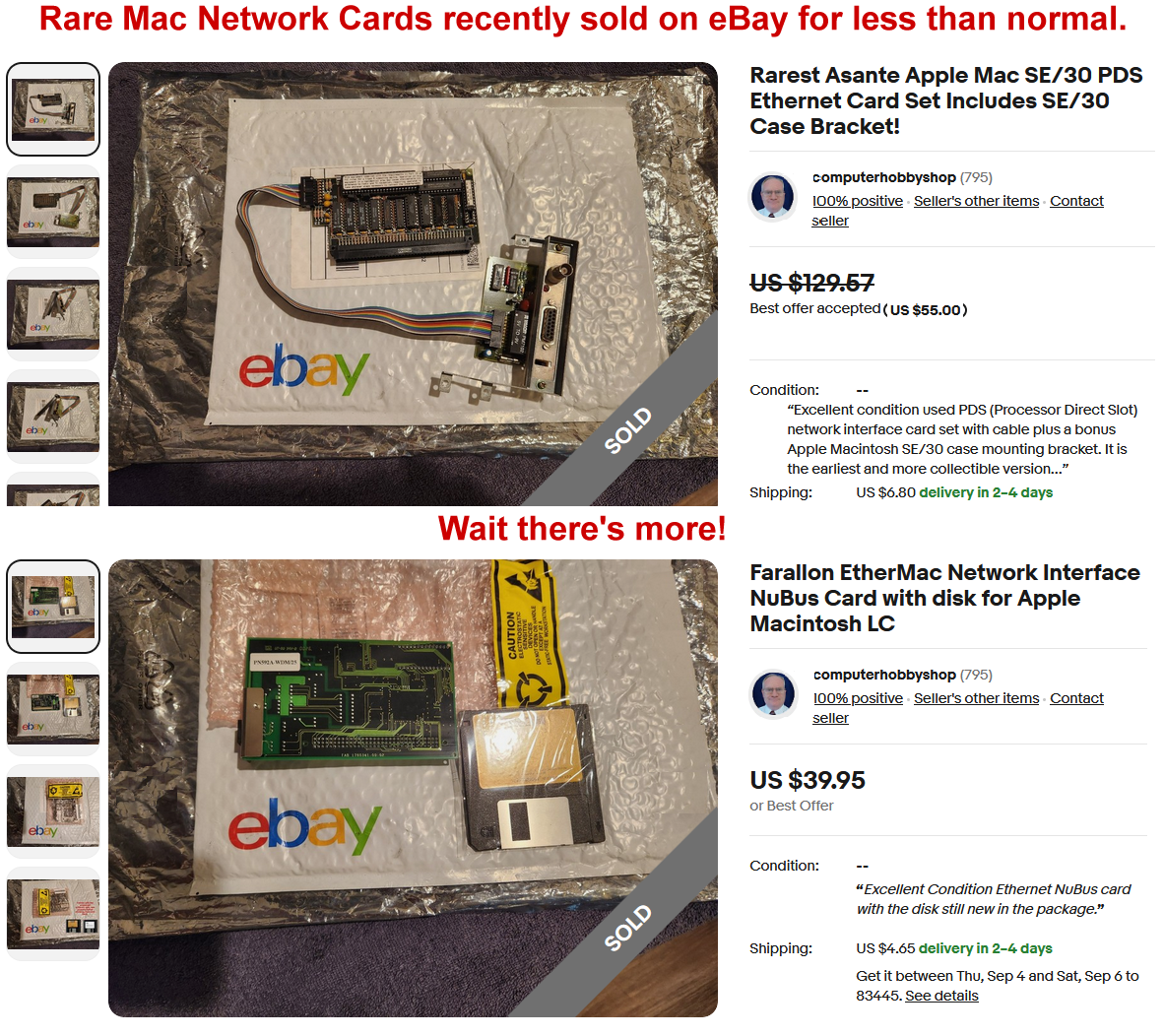
Ultra-Rare Ethernet Cards for early Macintosh in last months post.
I had the earliest known Asante(TM) PDS Ethernet card set for the legendary
Apple Macintosh SE/30 -- complete with original mounting bracket, almost never included!
The Rev A model predates the MacCon branding and was designed exclusively for the SE/30.
A two-card set with multicolor ribbon cable and bracket for proper installation -- a true collector's gem.
Asante(TM) Technologies was once the market leader in Mac networking, pioneering Ethernet solutions for Apple computers in the late 1980s and early 1990s. Their products helped bring AppleTalk networks and early internet access to classrooms, studios, and offices around the world.
Restoring a vintage SE/30 or building a retro Mac LC network, both of these were a piece of history, and now rare third-party Ethernet solutions for early Macs! Don't miss your next chance to own one."
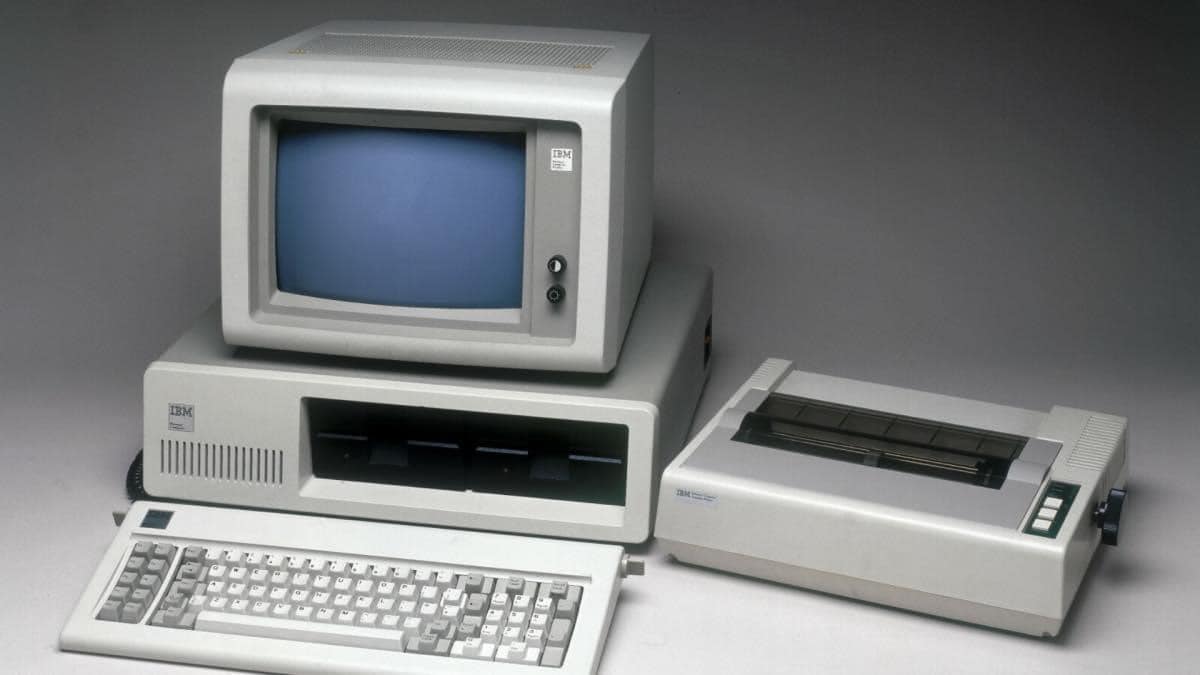
On this day, the first Personal Computer was released by IBM. Also know
as the IBM Model 5150, the first PC was a revolutionary microcomputer that
an Intel 8088 processor, Microsoft MS-DOS operating system, and
used an open architecture allowing 3rd-party peripherals and software.
Nerdy Fact: The first IBM PC had a distinctive sound when it
was turned on, generated to the speaker on the motherboard.
The sound was three tones: a low-pitched tone of 440 Hz
300 milliseconds, followed by a silence of 100 milliseconds,
followed by a high-pitched 880 Hz tone for 300 milliseconds.
This sound sequence was designed to indicate that the power
supply and speaker were working properly. However, some
users found the sound annoying, and some even tried to
disable it by cutting wires or covering it with tape.
Response to Patty...
Thanks for the fun post little sis, but be sure to see below...
... but even if he isn't Paul, this fact demonstrates that when
IBM PC 1st came out, the Apple II was already functional for
business users. I remember an executive from RCA using his
Apple II to create all his massive contact mailing lists.
Touché
Apple actually led the PC revolution with the Apple II, (June
1977), and made $7.9 mil, (yes, millions of $), in the 1st year,
plus another $49 mil in their 2nd year of sales by the end of 79.
All that money enticed IBM to get into the market late, Aug, 81.
In 1984, Apple Macintosh was Apple's newest home computer.
Mac users easily navigated it with a mouse, not clumsy cryptic
IBM MS-DOS command line typing of entries by keyboard.
John Sculley's Statement about the Apple II Computer in 1985
John Sculley made a statement in 1985, saying, "There are no plans to discontinue the Apple II."
After recently seeing this in a history video, I wondered how soon
after that statement did Apple Computer actually discontinue the Apple II?
About eight years later, Apple in 1993 officially discontinued Apple II Computers.
I also found it facinating that John Sculley was mentioning AI back in the 1980s...
Sculley's Vision and Early AI Statements
At an Open Unix forum, Sculley said, "The power of the computer is not simply with the silicon.
It lies in the ability to weave a new fabric of connections between people and knowledge."
Copilot AI, "His vision aligns with goals of modern day AI systems, which aim to bridge the gap between
information and people, making it easier to find answers, connect ideas, and gain new insights".
Is that not what modern AI systems do today?
Absolutely, you could say modern AI systems aim to bridge the gap between information and people,
making it easier to find answers, connect ideas, and gain new insights. A goal to enhance our ability
to access and utilize knowledge in a meaningful way, much like Sculley's vision of computers weaving a
fabric of connections. It's all about leveraging technology to empower and enrich human experiences.
Apple's Innovation and Evolution
My research revealed a rich history of innovation at Apple Computer with Key Milestones:
Apple II (1977): One of the first highly successful mass-produced microcomputers.
Macintosh (1984): Introduced the graphical user interface (GUI) and the mouse.
iPod (2001): Revolutionized the music industry with portable digital music.
iPhone (2007): Transformed smartphones with touch interface + app ecosystem.
iPad (2010): Created a new category of devices, bridging smartphones & laptops.
Apple Watch (2014): Brought smartwatches into the mainstream with health and fitness tracking.
Apple's Strategy Over the Years
Apple's strategy has evolved significantly. Key shifts include:
Focus on Innovation: Consistent introduction of groundbreaking products.
Vertical Integration: Seamless user experience for both hardware & software.
Expansion of Services: Diversified services, Apple Music, Apple TV+ & iCloud.
Global Market: Expanded into international markets, especially China and India.
Sustainability Responsibility: Commitment to environmental sustainability.
Social Responsibility: Commitment to production & sales fair labor practices.
This site made by RAM at ComputerPro2000, Copyright 2025, All rights reserved.
Have you ever used an Apple DVI to ADC Adapter?
The Apple DVI to ADC adapter, first introduced in 2002 and
produced through 2006, allows a DVI-equipped computer to connecting
to an ADC monitor by merging video, USB, and power into a single cable.
The term DVI means "Digital Visual Interface" and is a video
interface for digital video signals from a computer to a monitor.
The term ADC means "Apple Display Connector" and is a proprietary
connector for video, USB, + power in 1 Apple display cable.
Why this adapter matters:
Was manufactured from 2002 thru 2006, even though ADC was phased out in 2004.
Allows Legacy Support for connecting ADC-based Cinema Displays to newer Macs.
ADC Adapters are still in demand for for keeping classic Apple hardware alive.
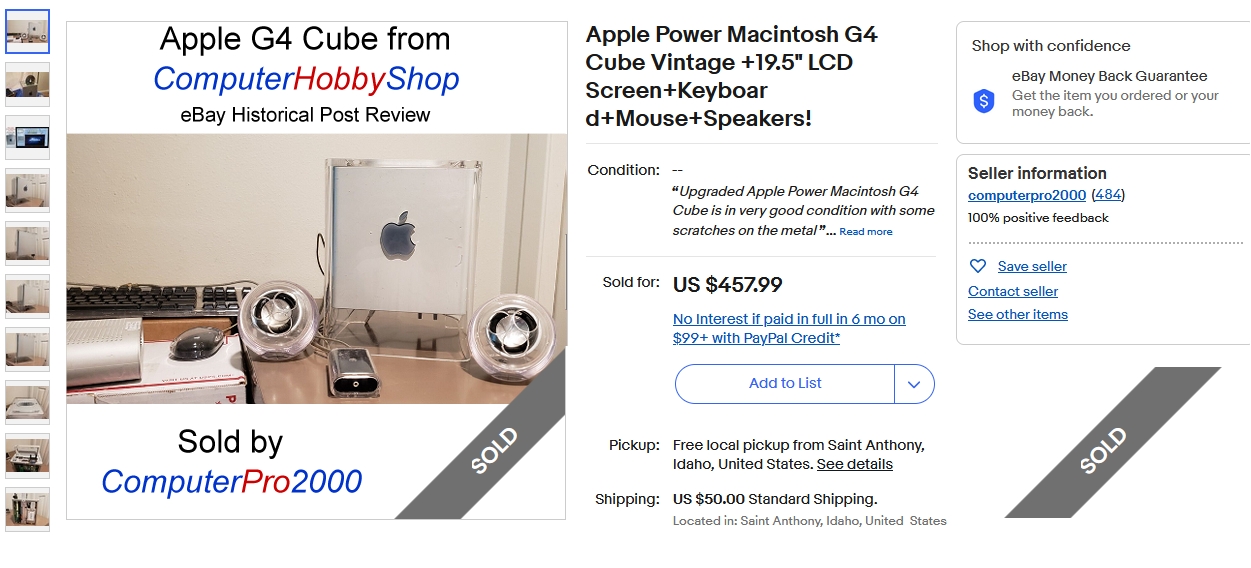
SOLDOnly two units left, very clean, and working when tested. SOLD
Sorry you missed our
eBay
listings, where collectors saved and
got great deals from our Guaranteed A+ Certified Source!
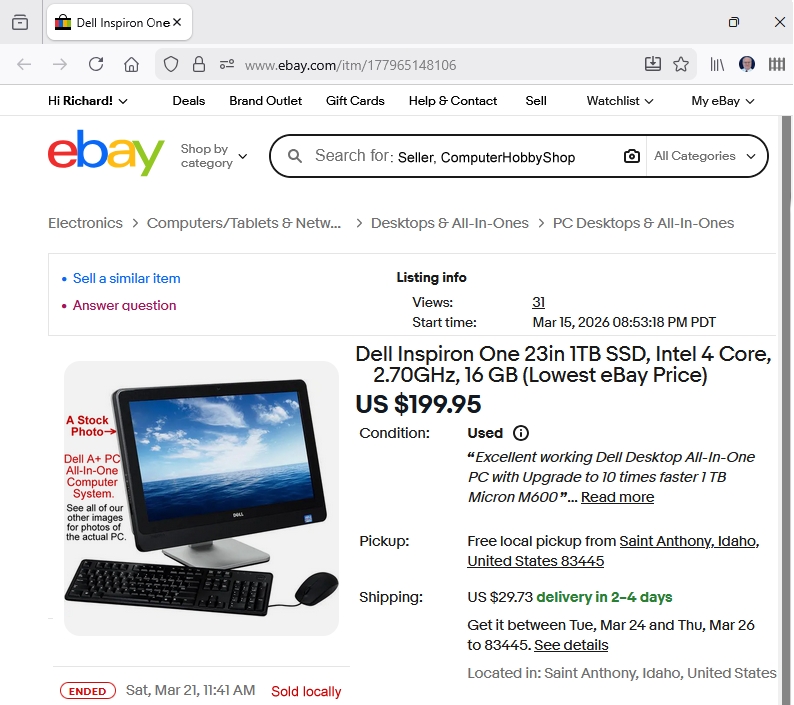
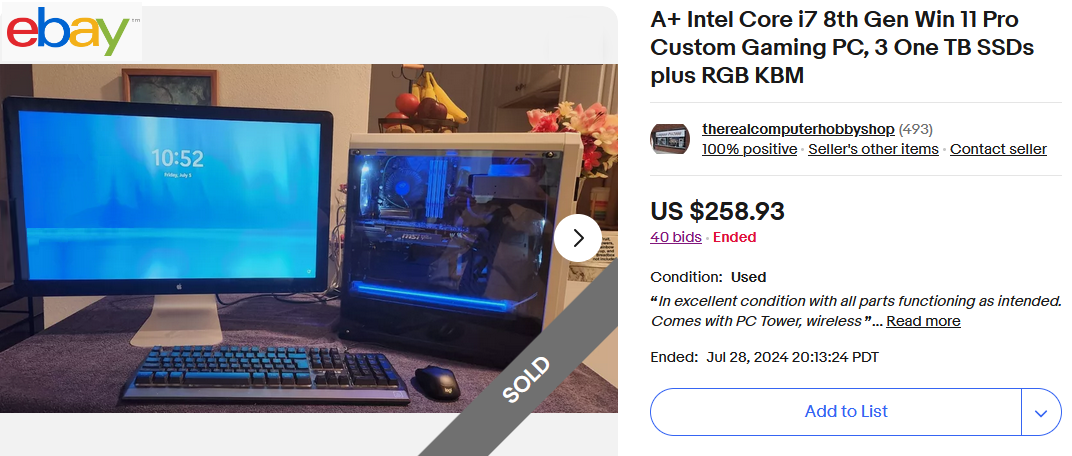
Wow, my $1,375.00 PC sold for only $258.93 on eBay after 40 bids...
A Custom-Built Intel Core i7 8th gen PC, a 12 Thread 6 Core, Gaming & Video
with 3 Fast SSDs, plus a Wireless RGB keyboard and mouse, and the buyer could
add an Allstate 1 Year Warranty on top of the eBay Buyer Protection Guarantee.
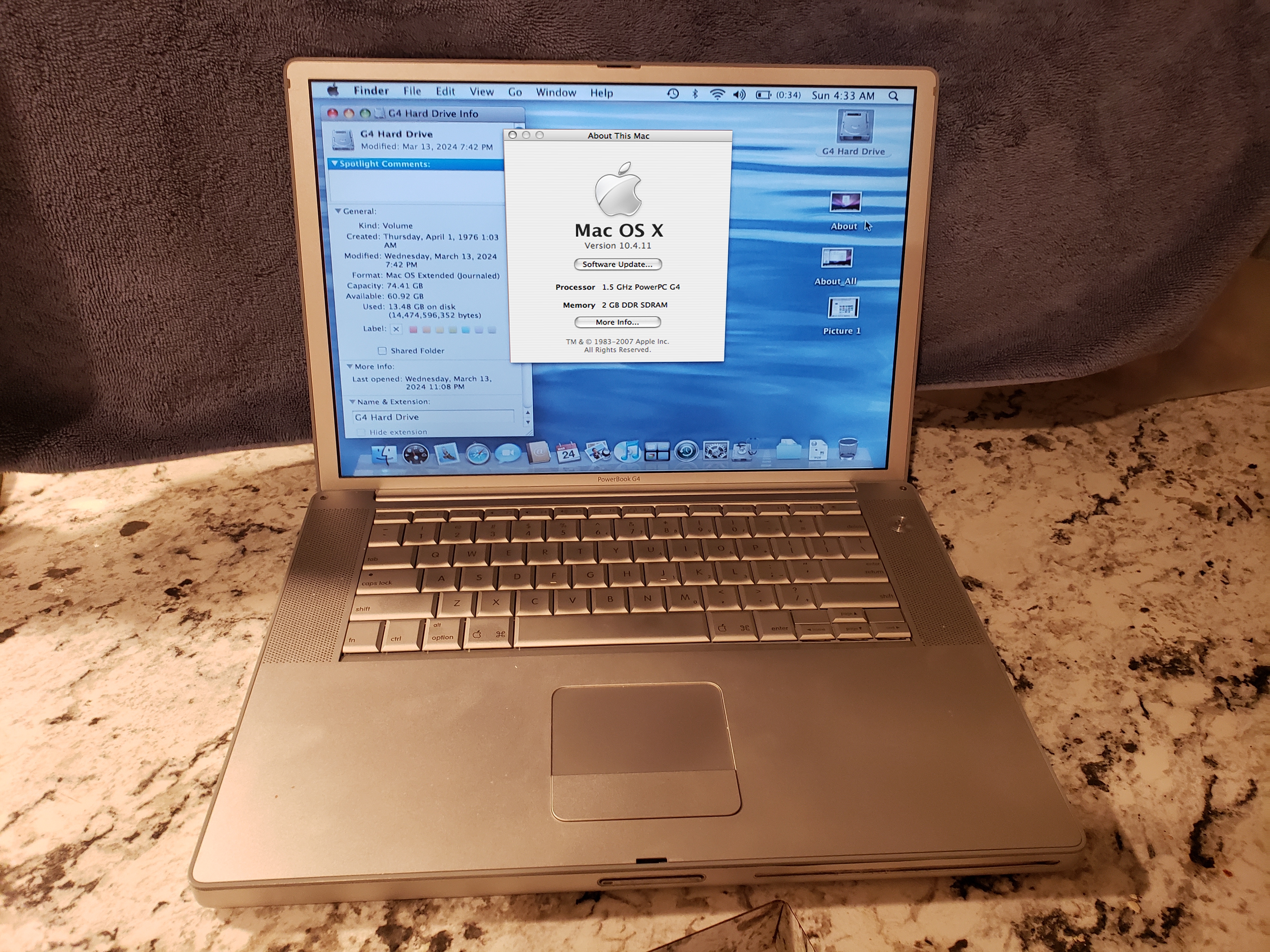
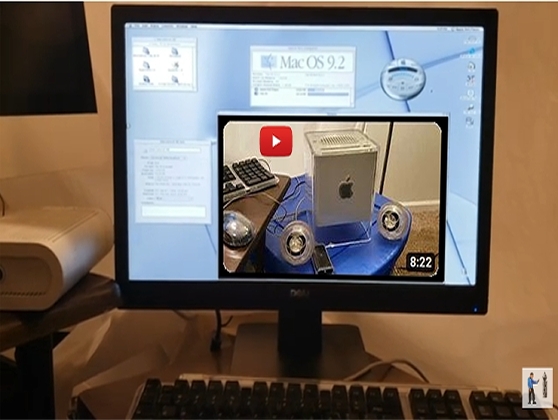
Project: PowerBook G4 Collector's Mac Laptop
OS X 10.4.11 and OS 9.2 with 2GB RAM upgrade finished and restored!
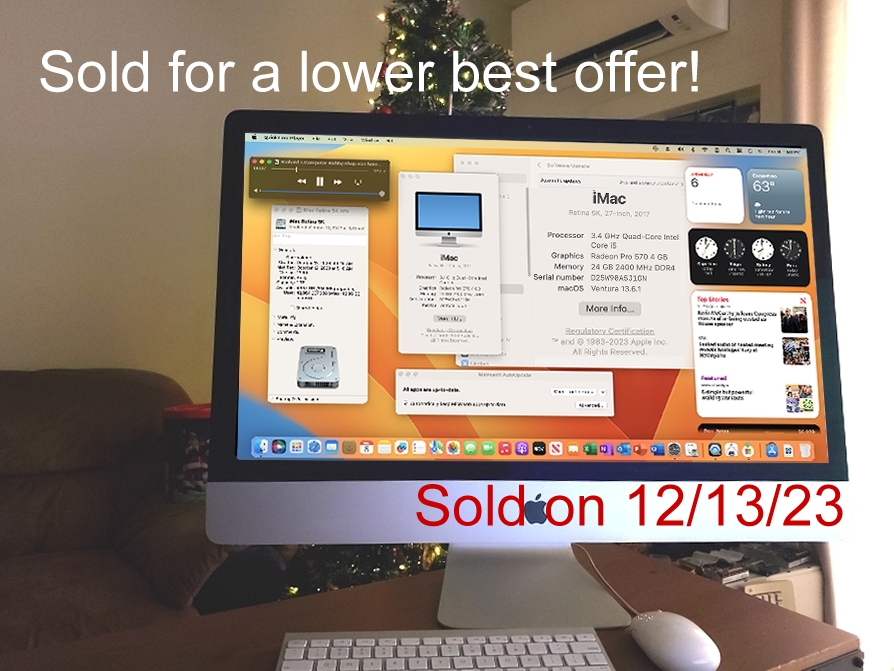
Other than updating this to the most current Mac OS Sonoma, and a previous
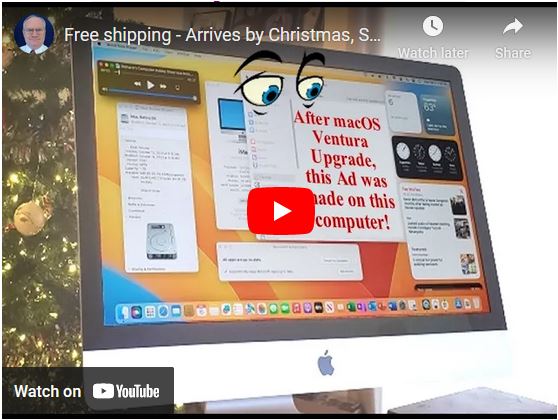
custom order doubling the RAM, here is one iMac 4K that I did not have to restore!
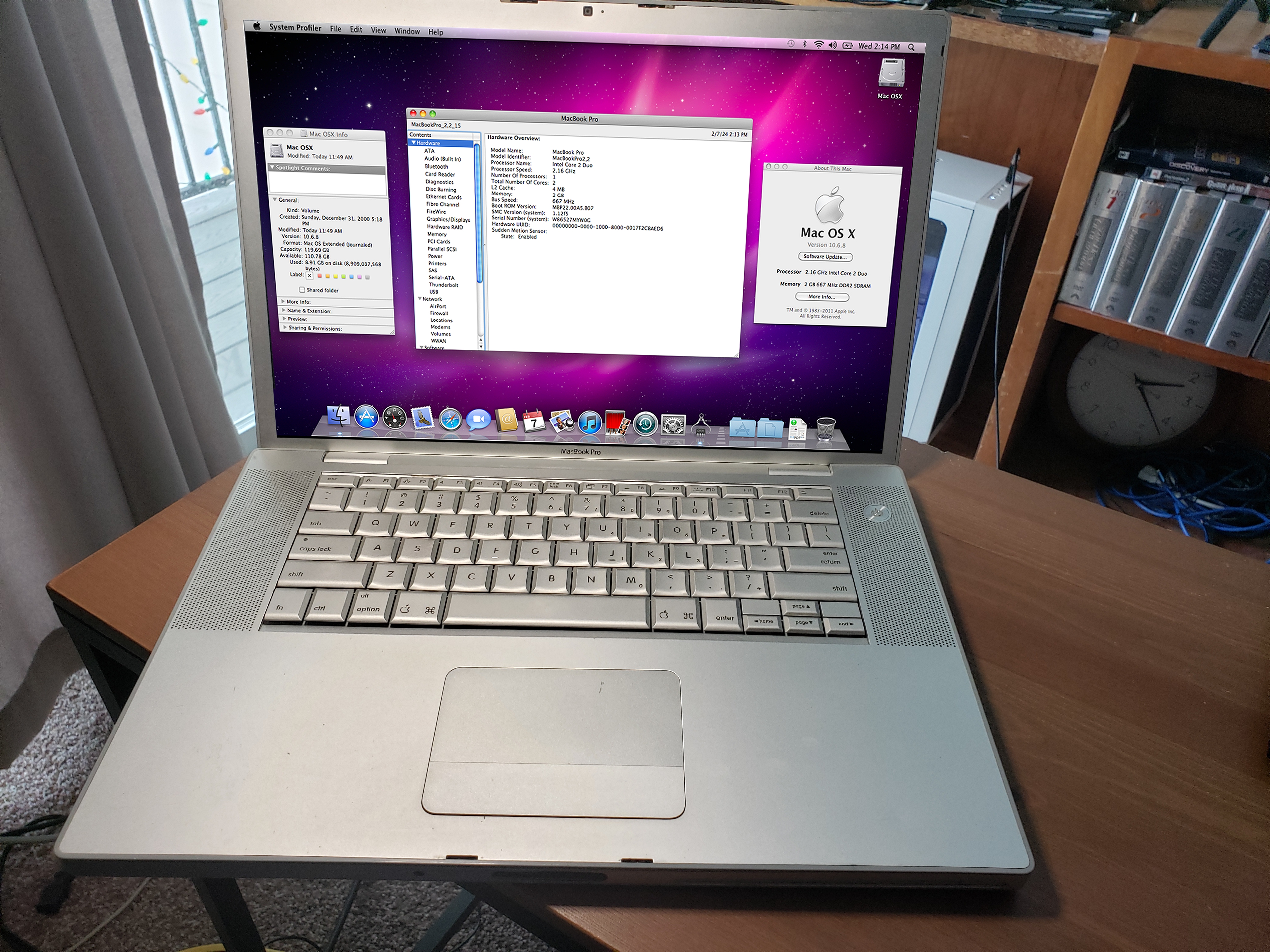
Working Apple MacBook Pro Being Upgraded for a Mac Collector.
Pre-posting a product before it is even finished may seem crazy to you, but it was
my most effective way to judge interest in advance, as it had over 200+ views.
I'm retired and have fun restoring vintage computers and posting YouTube Videos.
Since I'm still sort of new there I like to also watch other creators already on YouTube.
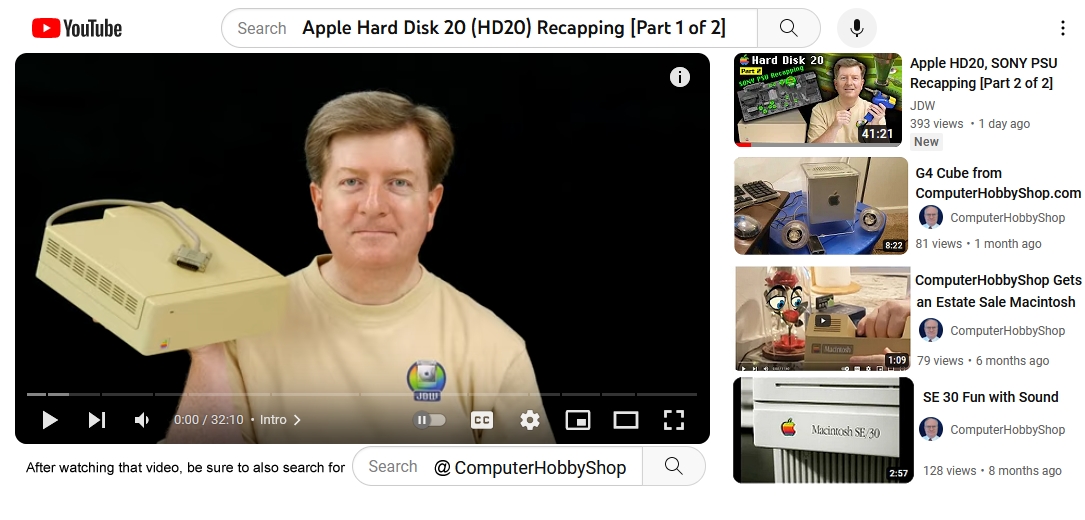
When fellow Computer Hobbyists ask, "Who do you follow", I say, @JDW-
Drive Restore Project Review, Apple Hard Disk 20 (HD20 Recap)
Click the picture below to see this video from the @JDW- YouTube Channel.
He does great vintage restoration work and his videos are really fun too!
On a historical note: Before I retired from a professional I.T. career, I taught Apple Macintosh Seminars in over 70 US Cities, & I used my Bondi Blue iMac G3 to make my presentations, but my
100+ Apple Specs History Collection was on my old SCSI drive.
That's one example of what that strange slot was for. I purchased an SCSI card from a company in Germany called Formac. They called it, "Formac iProRAID Ultra Wide SCSI" It cost almost $200 USD + shipping. It saved all my backup files & old software.
It was very useful to get all my 68000 & 68030 stuff to my G3 from old SCSI drives.
From my research, the slot could also take a Voodoo 2 video upgrade card.
But since the slot only held 1 card, I personally never had that upgrade.
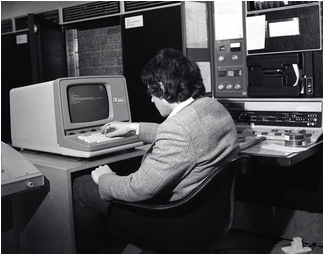
A True Story: 1983 at Tinker AFB, Oklahoma I was a Fire Inspector there, where a WIMS Team was based.
As I have no pics of the classified Wang Information Management System,
or WIMS, (see this unclassified off brand terminal shown below).
Tinker ran a multimillion-dollar test to decide how the US Military would use Wang computers they had distributed at many offices on Tinker Air Force Base. The original Wang Company Programmer came over from Japan to program the test systems on the base. He brought his 17-year-old teenage son.
His son spent his time on 32 green screen games that he put on the system. That was how they used to test computer responsiveness. It was rumored after he left the base, the games were all still there.
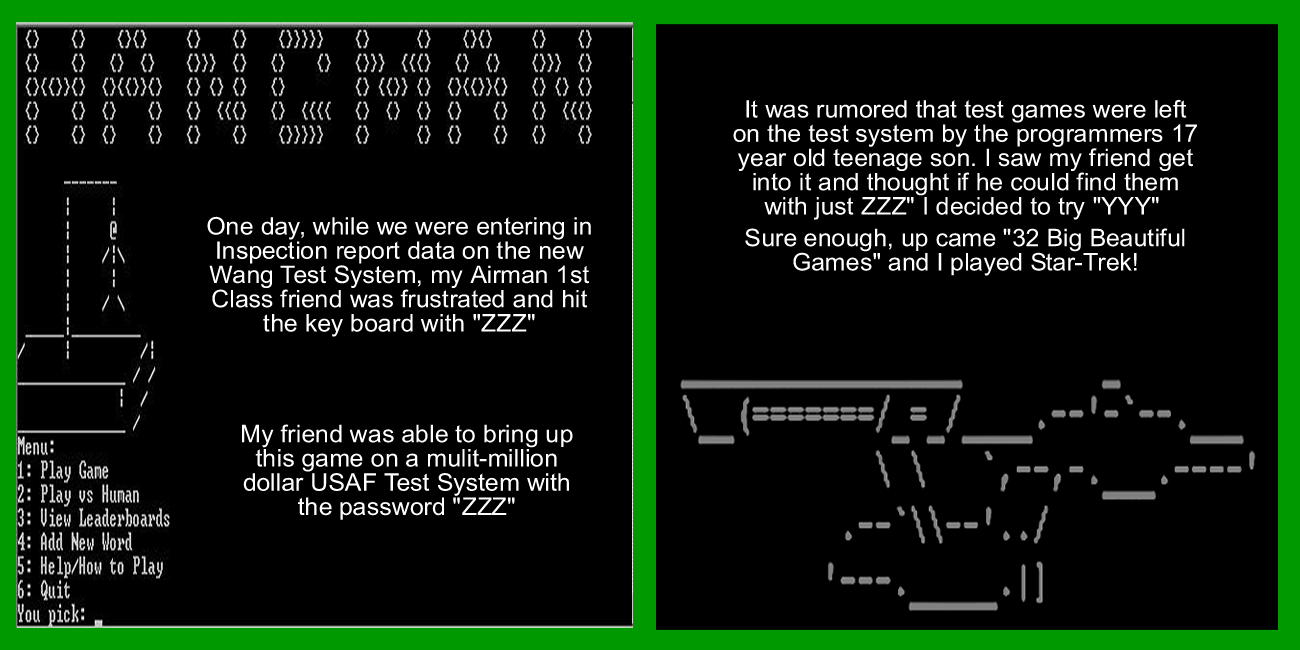
I was 1 of 2 airmen who accidentally discovered how to load and play them. One day while entering Inspection Reports, a friend became frustrated and hit "ZZZ".
After I saw him get into it, I thought if he could find this with just "ZZZ", I could try "YYY". Sure enough, up came "32 Big Beautiful Games". While he played Hang Man, I played Star-Trek!
Luckily, my friend and I did not get demoted for hacking, but the Wing commander called up our office. He said to the Master Sergeant in charge, "Several Generals and a couple of Full Bird Colonels who flew in to oversee the systems tests just remotely watched terminals playing HangMan and StarTrek on our newest multi-million dollar U.S. Air Force test system!"
Coincidentally, this happened before the movie, "War Games", 1st seen, June 3rd, 1983. It was not an outside attack but occurred in a U.S. Air Base where amazingly, 2 Airmen almost started a war!
I found a modern use for older Apple Cinema Displays, (especially the 30" model & version similar to the picture below). These use Dual Link DVI, and the Apple Dual-DVI Video Card will drive these monitors in machines the way Apple intended. But did you know you can get the display to work with many modern Computers? This includes PCs when you use an Active Adapter like the Club 3D CAC-1510 USB Type C to DVI-D DUAL LINK Active Adapter. It has to be an Active Adapter like a Club 3D for the DVI-D DUAL LINK video signal.
Note: I have the Club 3D and have connected the Apple Cinema Display via USB C to send the correct signals even from my Samsung Galaxy Book2 (with SnapDragon 8x CPU and Windows 10). A pretty cool use for an older Apple product and of course it works with newer MacBooks too.
Post of a History fact: The Weber State University original Macintosh Lab lasted a decade and a half and when the lab was finally retired, the systems all went into a dumpster. The surplus manager was retiring about that time, so he let a few of us Mac collectors reach into the dumpster and take out as much RAM as we could hold in our hands, all for just $1 per handful per dive.
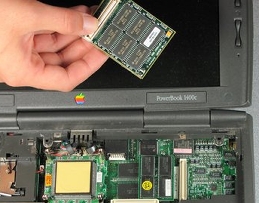
Some of those sticks of RAM live today, and for a long time now I've done many upgrades to old Macs and still today have some of those rare sticks left over. Try not to laugh, but in memory of that day, I offer a graphical eulogy.
Understanding URL Parameters and Safety Tips
I recently went to a website & noticed something strange in the URL.
After the dot com name, there was a "?" just after the forward slash "/" in the URL.
Know as "parameters" after the dot com name, here are examples of them being used:
https://www.[could be any site].com/could be any directory/?viewas=&should_open_composer=false
&show_switched_toast=false&show_invite_to_follow=false&show_switched_tooltip=false
&show_podcast_settings=false&show_community_review_changes=false
&show_community_rollback=false&show_follower_visibility_disclosure=false
&bypass_exit_warning=true
Explanations:
There are parts of the URL that can come after the "?" called query parameters.
Parameters help customize the user experience based on specific needs or preferences.
To control behavior & page display, parameters pass specific information to the server.
Each parameter is a key-value pair, separated by an equals sign (=),
and multiple parameters are separated by an ampersand (&).
See the list of common uses for parameters mentioned:
viewas: This might control how the content is displayed, such as viewing as a guest or a registered user.
should_open_composer: This could determine if a text editor or composer will be opened automatically.
show_switched_toast: Controls if a notification (toast) is shown, switching between views or modes.
show_invite_to_follow: This determines whether an invitation to follow a user or page is displayed.
show_switched_tooltip: Controls if tooltips are shown when switching between different elements.
show_podcast_settings: Can be used to determine whether podcast settings are displayed.
show_community_review_changes: Control whether changes in community reviews are shown.
show_community_rollback: Could determine if rollback options for community changes are displayed.
show_follower_visibility_disclosure: Can control whether follower visibility settings are disclosed.
bypass_exit_warning: This could allow bypassing any exit warnings when leaving the page.
Risks:
Query parameters can potentially be used maliciously if someone crafts a URL with harmful intent. Code may be used maliciously, as when someone sends you a link to do something it normally could not.
Here are a few ways this could happen:
Phishing: A URL might include parameters that make a fake website
look more legitimate, tricking users into entering sensitive information.
Data Manipulation: Parameters could be used to alter data on the
server in unintended ways, potentially causing harm or unauthorized access.
Session Hijacking: Parameters can be used to steal session tokens, allows attackers to impersonate users.
Cross-Site Scripting (XSS): Malicious scripts can be injected into URLs, which then execute when the URL is accessed, potentially compromising user data.
While parameters are often used for tracking and custom server features, and many specific parameters themselves are not inherently malicious, they could potentially be part of a malicious URL, (especially if they are then combined with other harmful elements). See safety tips listed below.
Important Tips for URL Safety
If someone sends you a link with many unknown parameters,
the link could redirects to a phishing site or include malicious scripts,
and it could pose any number of other risks. So, it's always important to:
A specific example to look out for is someone asking you to be friends on Facebook.
An official-looking link leads you to their page with many strange parameters activated in the URL. So it's always a good idea to be cautious with URLs, especially when coming from unknown sources.
If a URL looks suspicious or contains unfamiliar parameters, it's best to avoid clicking.
Verify the Source: Ensure the link is from a trusted source.
Check the URL: Look for any unusual or suspicious parts of the URL.
Use Security Tools: Utilize URL checkers or security software to scan the link.
What I Use: Malwarebytes Premium Non-sponsored, automatically check links before allowing URLs.
URL Safety Tools
Tools to Check URLs for Malicious Intent
VirusTotal: Analyzes URLs + file viruses, worms, trojans, and other kinds of malicious content.
Norton Safe Web: Provides safety ratings for websites based on their security and potential threats.
Sucuri SiteCheck: Scans websites for malware, viruses, blacklisting status, and other security issues.
Malwarebytes Premium checks links before access based on URL history, security, and potential threats.
It's understandable to be cautious about URLs with many parameters,
especially when they come from social media platforms like Facebook.
Again, if you ever feel uncertain about a link, it's best to err on the
side of caution and avoid clicking on it. Signed RAM, Happy Clicking!
I may choose to use your ideas and/or donations in a future post and, unless you choose to be anonymous, I'll post your name in the credits.
Of course, I don't like SPAM anymore than you do, so please
You may email an idea or question or to not miss any new post and
be listed with the first to know about new Giveaways, just subscribe.
Or if you came from one of my other web pages, you can
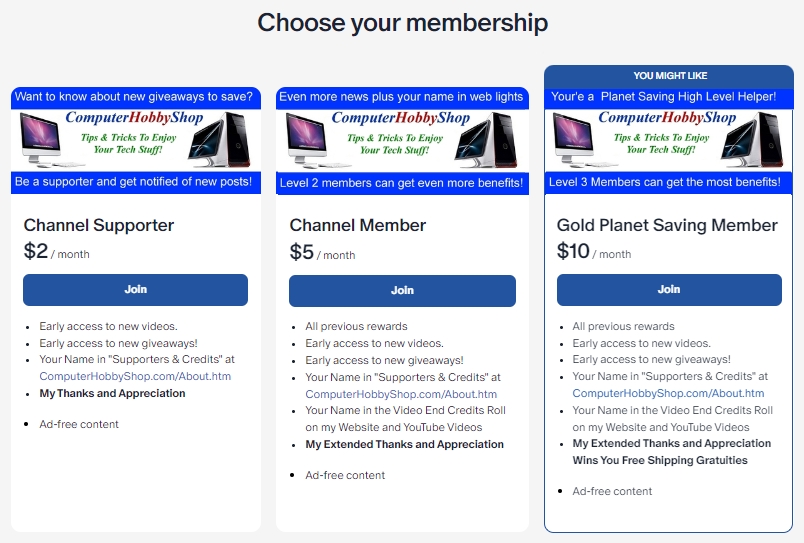
What Happens When You Subscribe or Signup at Patreon?
You will help save computers from landfills and become a part of my cool
project of collecting and restoring vintage computers to give them away!
I give all subscribers "early access" to my Fun Computer Videos and my
newest Posts, and help you find my upgraded systems and retro giveaways.
My site can be your contact for my exclusive deals and Giveaways,
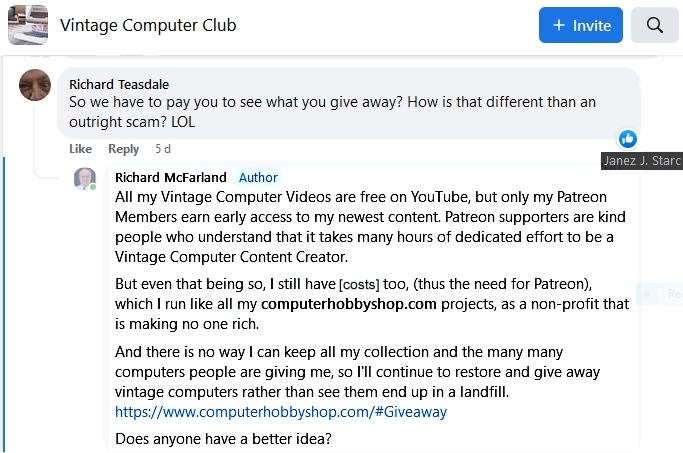
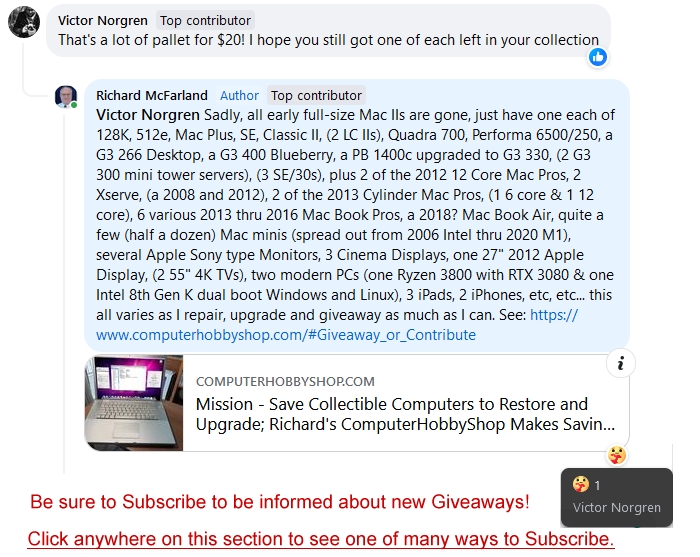
& if anyone doubts my sincerity, please read my Facebook response.
See what I restored and sent to the lucky winner in Japan by Christmastime!
For this Collectible and Retro Style Computer, the lucky winner paid shipping,
but my "Gold Planet Saving Patreon Members" pay no shipping in the lower.
I collect and restore vintage computers and I make videos about them, as too many owners do not know how to keep vintage computers working or they simply just throw out all old technology. But I would rather restore and give away collectible computers than see unique vintage and retro items end up in a landfill.
It's OK if you are not a geek and don't understand computers yet.
I can show you how computers do compute with RAM
.
My baby boomer generation was 1st to grow up in a technology-dominated world.
Us boomers have seen it all happen, from LPs to DVDs &
Happy Days to BluRays.
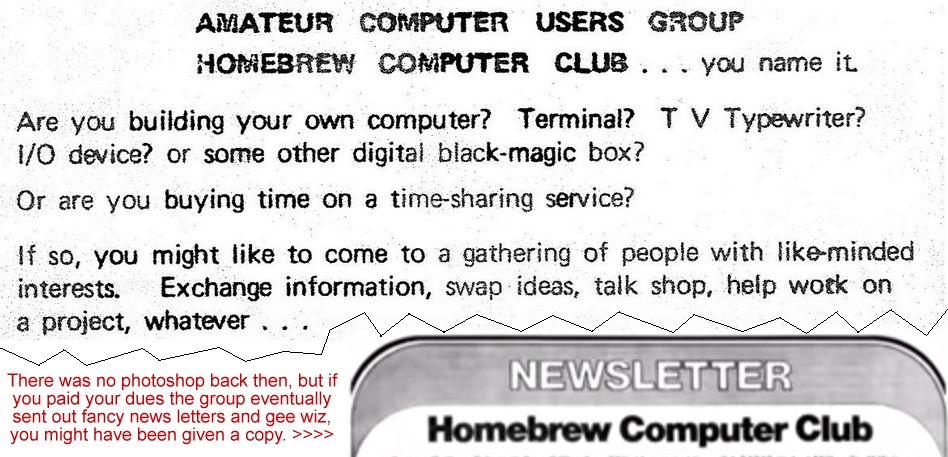
Historically, in the 70s & 80s, geeks like me gathered in User's Groups
to have fun helping each other out with tech projects!
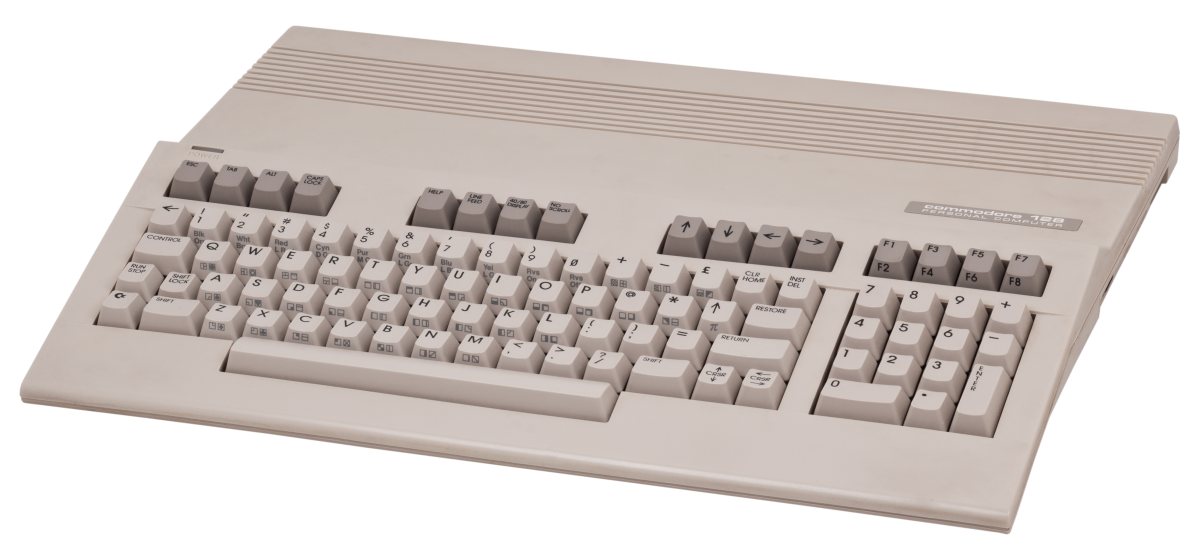
Happy new owner gets a free giveaway of a Commodore 128K with Floppy Drive & Printer all in the original boxes!
(That's cool, now ).
The lucky new owner in this giveaway took ownership of a classic Commodore system and did not even have to pay for shipping, (like my Gold Planet Saving Patreon Members).
Wait! Did you actually give a vintage Commodore 128 System away?
Yes and here is why I'll do it again.
I don't like that many old computers end up in landfills because owners do not know how to keep them working or they consider them obsolete.
All tech items sent in, no matter what it is, gives 1 raffle ticket entry for prizes.
I make sure that items are restored and go to a good home and not a landfill.
Of course I understand if you don't want to part with anything.
If you just want it fixed, email me to ask.
So if you do want to donate retro tech, unlike some websites, I turn nothing legal away, then the magic happens!
When you send something in, it is a great way to help save vintage retro-tech and your name will be entered into my next free random tech giveaway.
Be sure to contact me 1st then simply mail your vintage computer items to:
Attn: ComputerHobbyShop
C/O Richard A. McFarland
P.O.Box 383
Saint Anthony, Idaho 83445
ComputerHobbyShop Makes Saving Vintage Tech Fun and Affordable.
Care to follow ComputerHobbyShop and be listed in new sponsored giveaways?
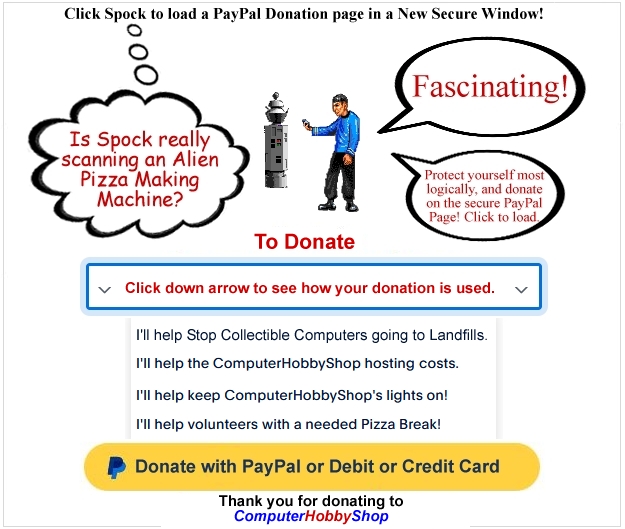
Each donation, no matter how small or large, is like one raffle ticket for tech.
Donate as little or as much as you want via Secure PayPal by clicking on Spock!
Are People Really Making Millions with Virtual Real Estate & NFTs?
Coming Soon
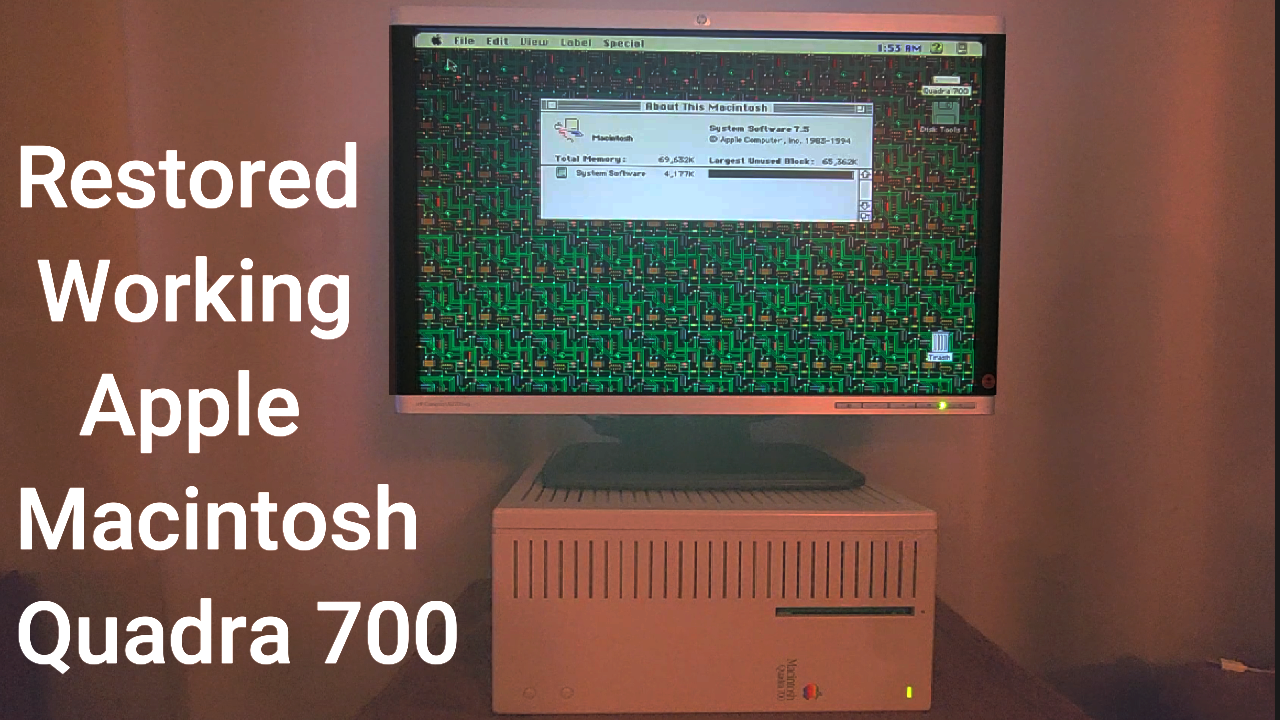
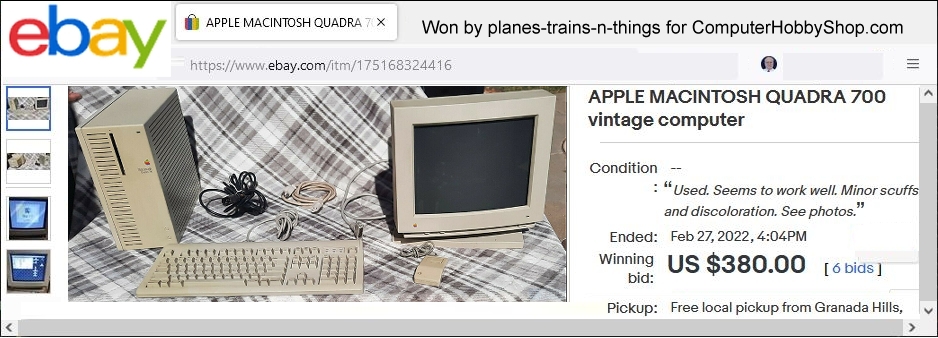
!Future post, a Vintage Quadra 700 restored, upgraded with modified StartUp.
Reviews and News
An AMD Ryzen Review and recommended X570 ASROCK Motherboard.
Counting cores and straining to max CPU speeds is the familiar task for anyone needing more power at less cost. The good news is, the AMD Ryzen can check off all the boxes for the serious power user while staying far away from the higher cost of a Threadripper Workstation. You can save with compatible motherboards & the latest BIOS.
What modern CPU do I recommend? I give a 5 Star to the AMD Ryzen 7 3800X.
It is simply the best CPU this side of an expensive workstation. You'll get the most bang for your buck while still seeing shorter compile times and faster project completions, especially when matched with an X570 ASROCK Steel Legend. A 2700 with a B450M motherboard from htcgo worked great and a 3800X and X570 Motherboard gave us an added speed bump.
See the video clip by the indie youtube creator, F7GOS who used a 3700X when he upgraded from an ASROCK X370 to X570 Motherboard.
(Video sourced in sections from, F7GOS on YouTube)
If this review sounds like a commercial for AMD, they do deserve all this praise. All my tests made me happy to endorse the Ryzen 3800X. AMD has a real winning CPU here.
Want More ComputerHobbyShop and My Newest Posts and Giveaways? So you can be among the 1st to know, click the subscribe button below. Thank You!
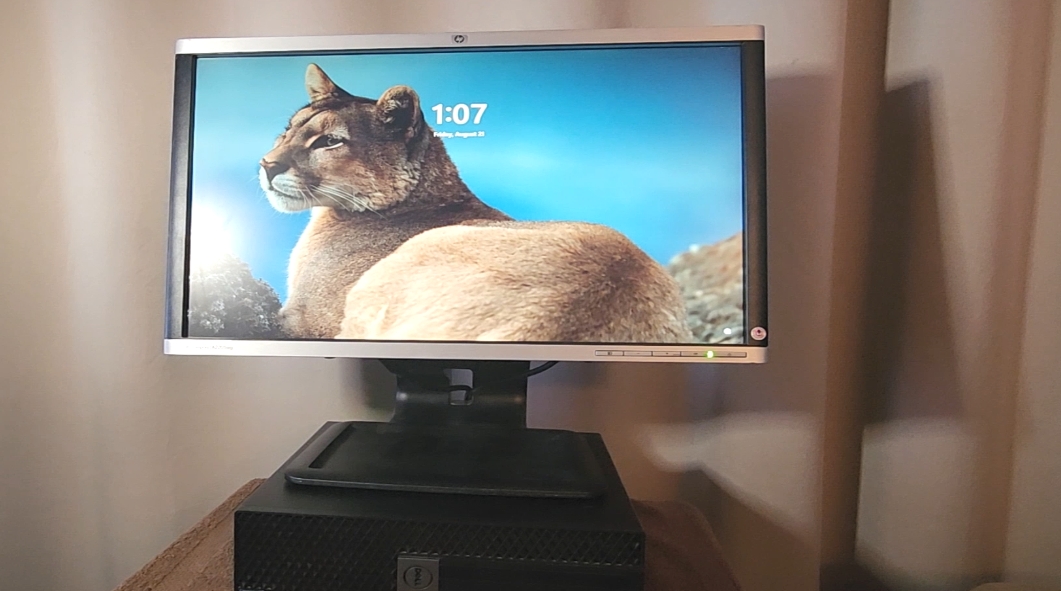
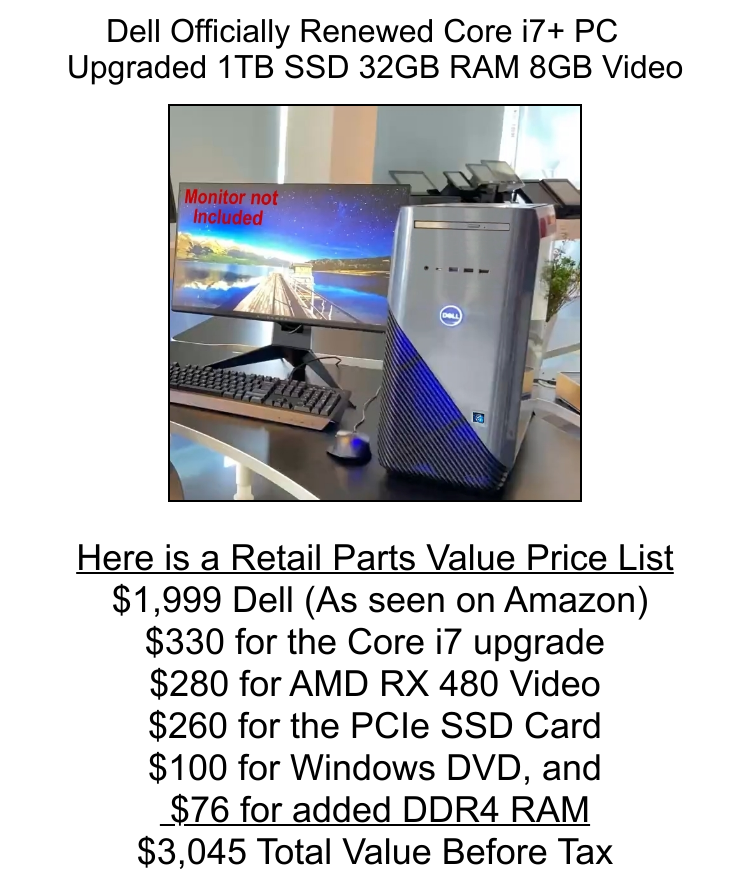
My Intel Core i7, 12M Cache, up to 4.00 GHz CPU Gaming PC,
actually has an upgraded AMD 8GB Discrete Graphics Video Card.
The image below is a summary, click it to load the very long full image.
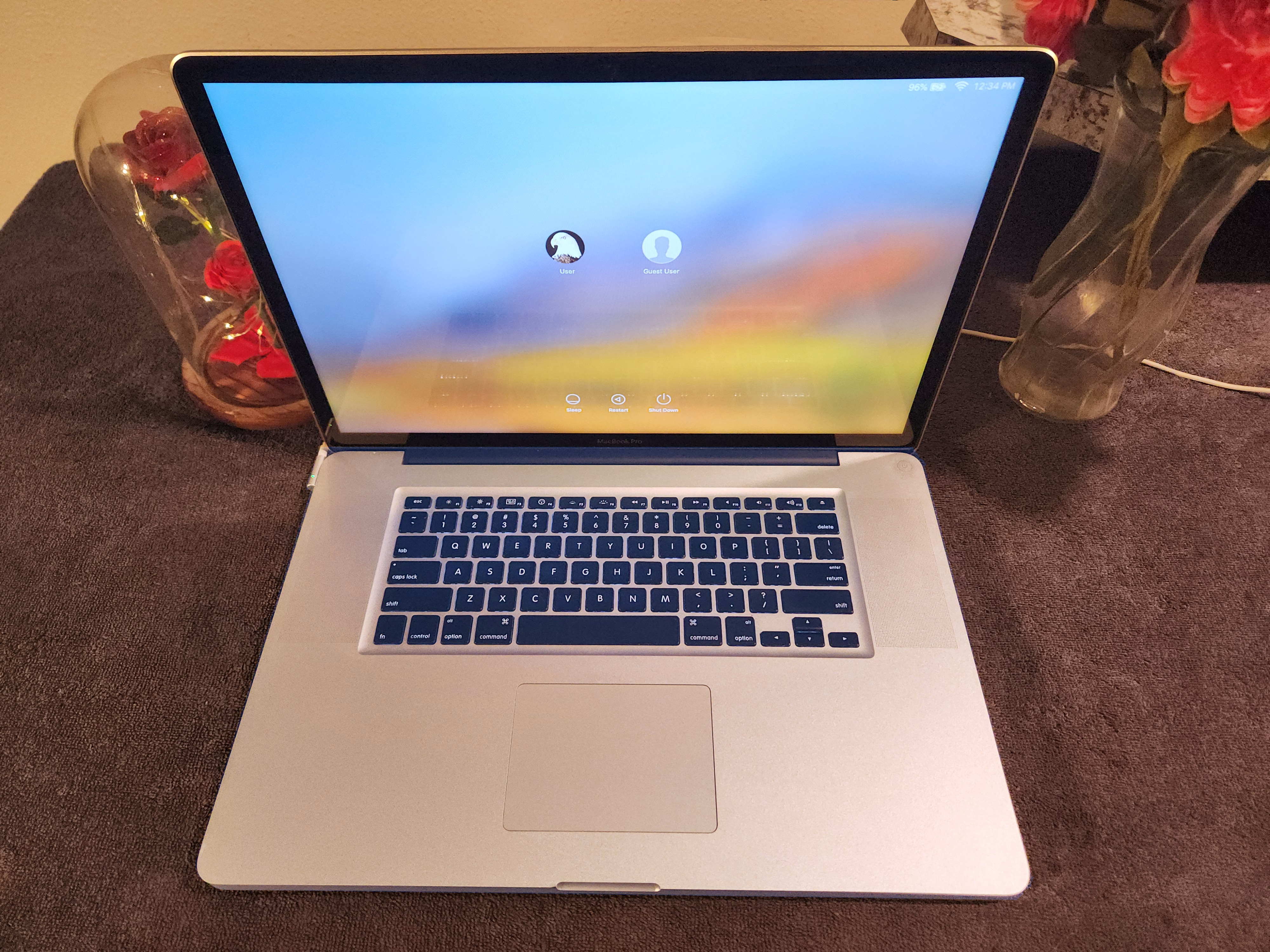
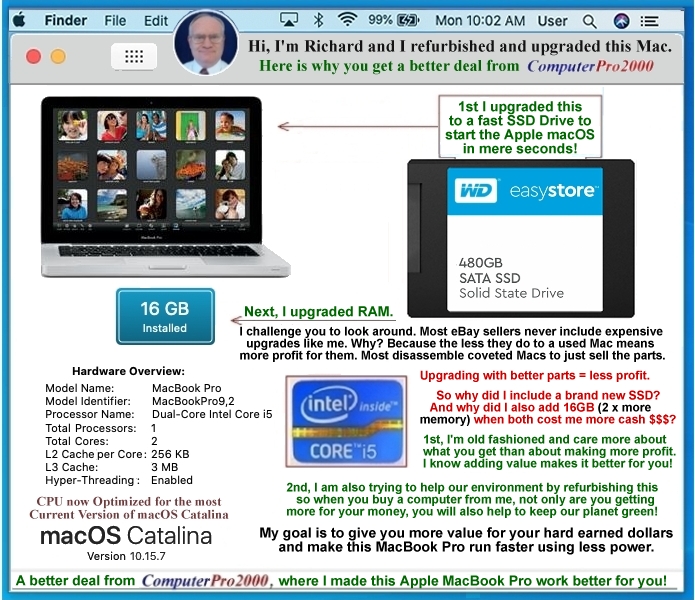
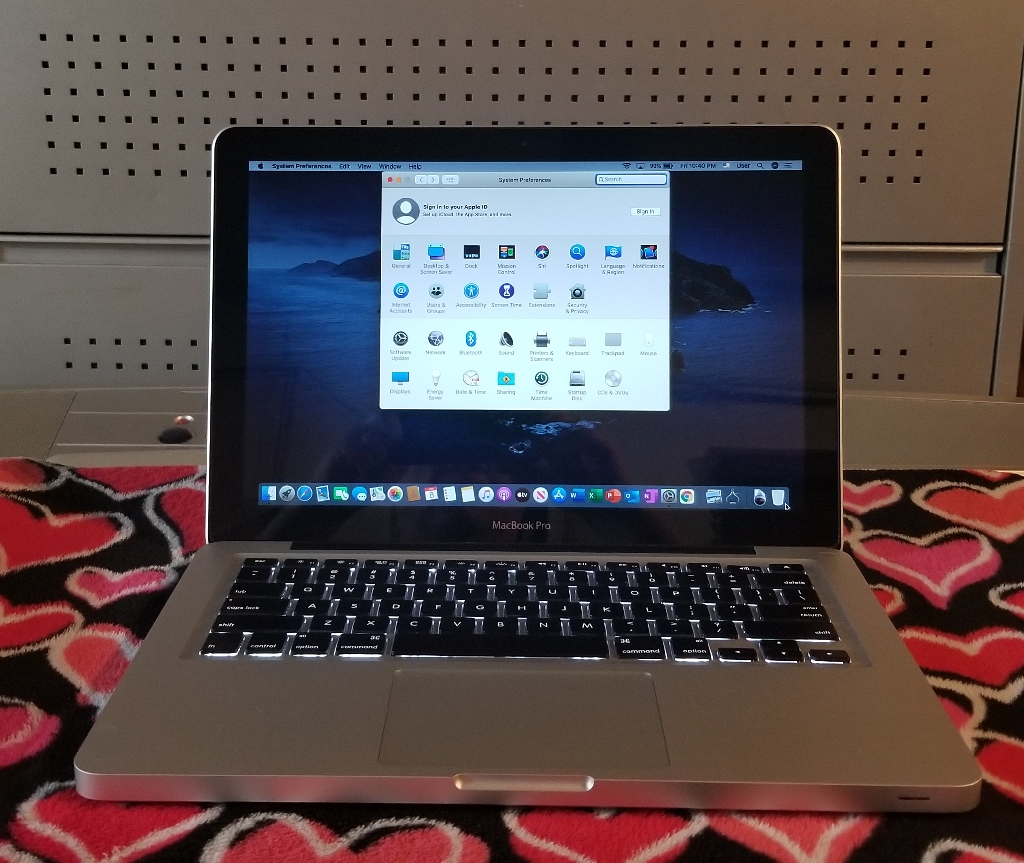
I spent the money shown above to make a better MacBook Pro for you.
Here's your chance to help the planet by buying a Green Earth & Eco-Friendly Laptop
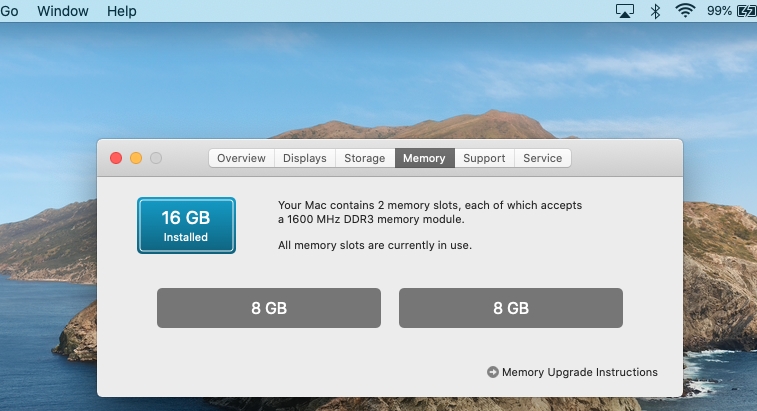
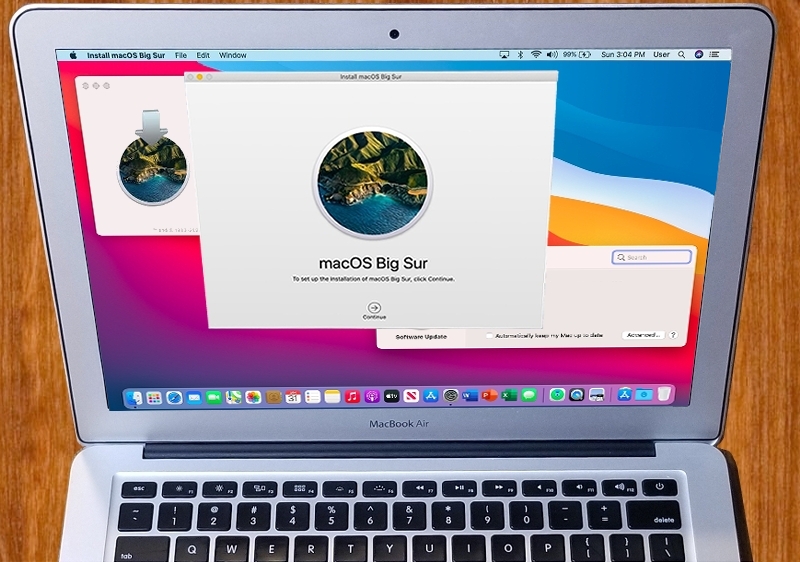
Installing and updating Catalina went fast with the upgraded 16GB RAM.
Ports shown left to right are, 1 Magesafe Power Jack, 1 Ethernet, 1 Firewire 800,
1 Thunderbolt 2, 2 USB 3.0, a Camera Card Reader, & Headphone Jack
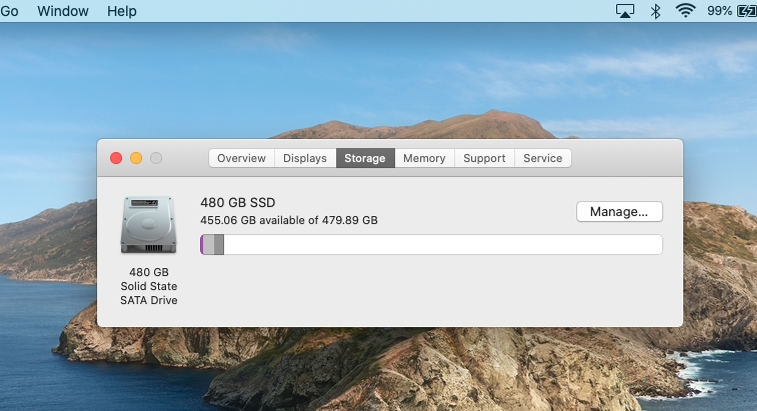
There is plenty of space left in this Brand New Western Digital 480GB SSD.
You'll love using the working DVD Drive for movies + moving music CDs to iTunes.
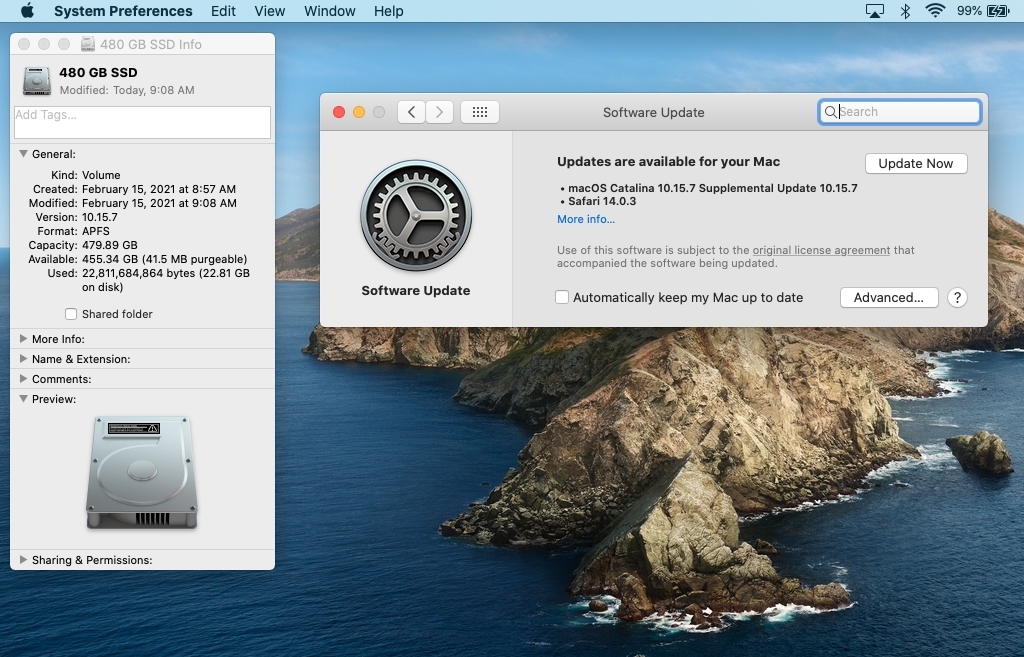
After getting the message below, I finished installing all current updates.
The lid opens and closes easily & the hinges work great.
In almost every review regarding the best laptops, this Macbook Pro is always the main challenger.
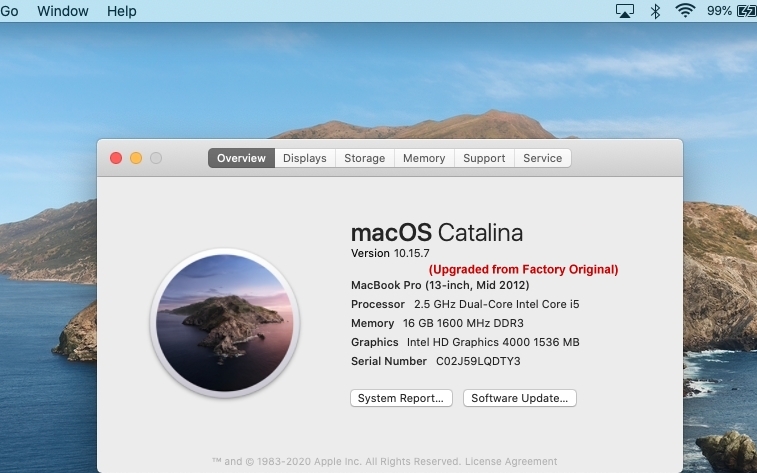
Supported by an Intel i5 processor with a speed of 3 GHz Boost and 2.5 GHz base, [upgraded with 16 GB] DDR3 RAM,
Intel HD Graphics 4000, and support for up to 2TB of hard disk memory this laptop is one of the best laptops of all time.
(Tech Reviews, Oct 29, 2020).
This MacBook Pro comes with a brand new Magsafe charger as shown below.
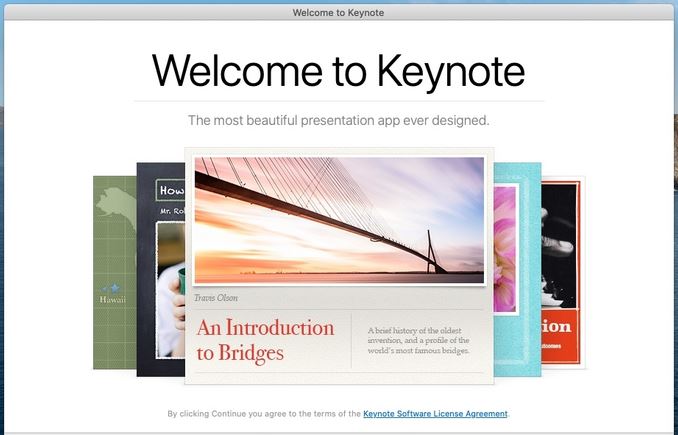
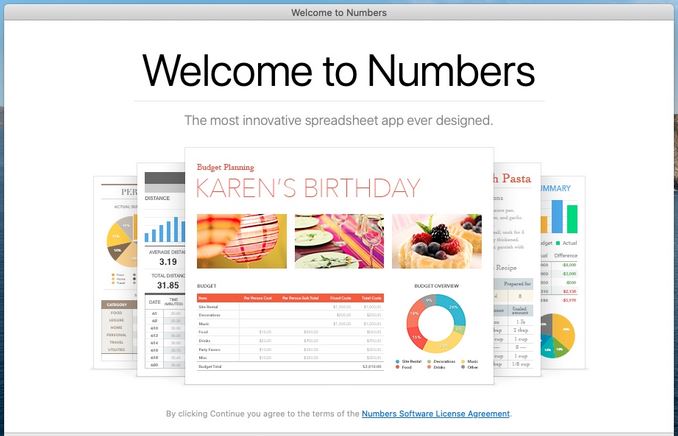
Besides coming with iTunes you also get Pages,
(Apple's app like MS Word)
Plus Keynote, another Apple app, (like MS PowerPoint)
And Apple's Numbers app, (a program like MS Excel).
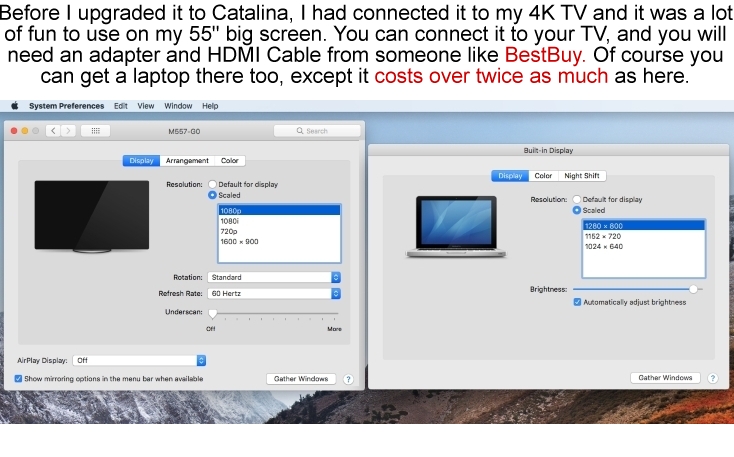
You can use a power saving 4K TV,
or you might want to use any standard HDTV,
but you don't need it for the Mac laptop to work.
Refurbished for Richard's ComputerHobbyShop.com by
The seller is licensed.
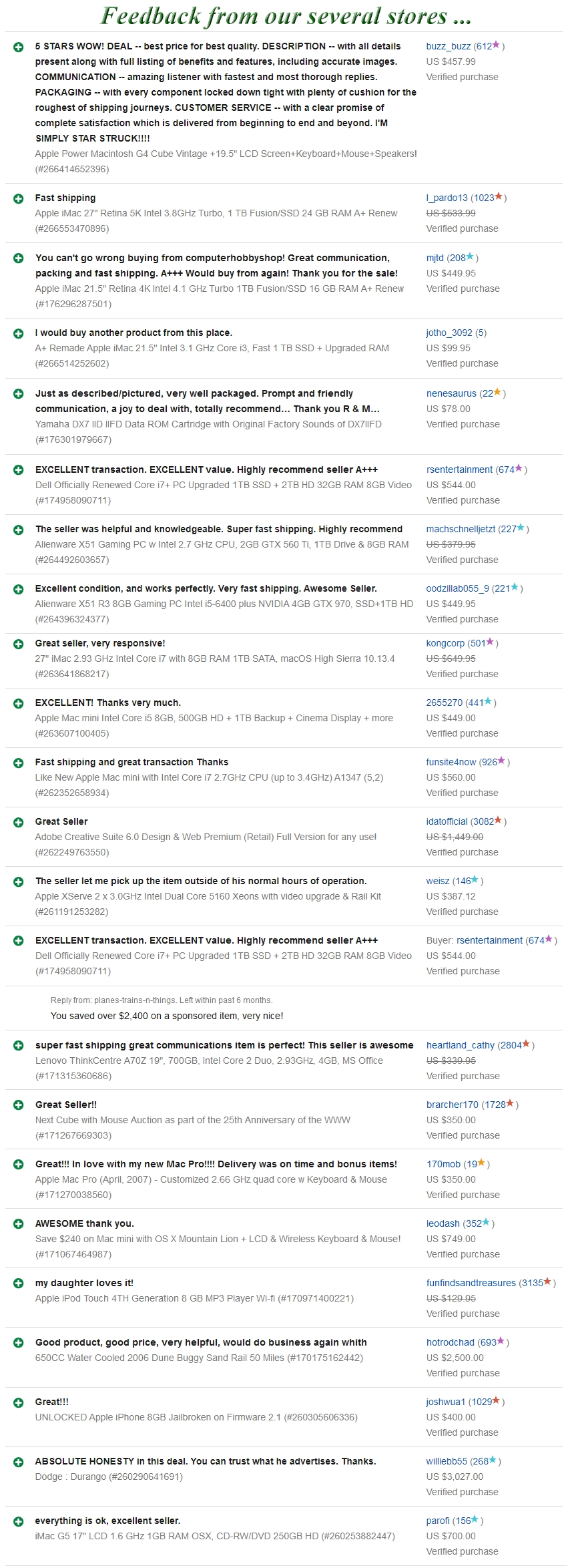
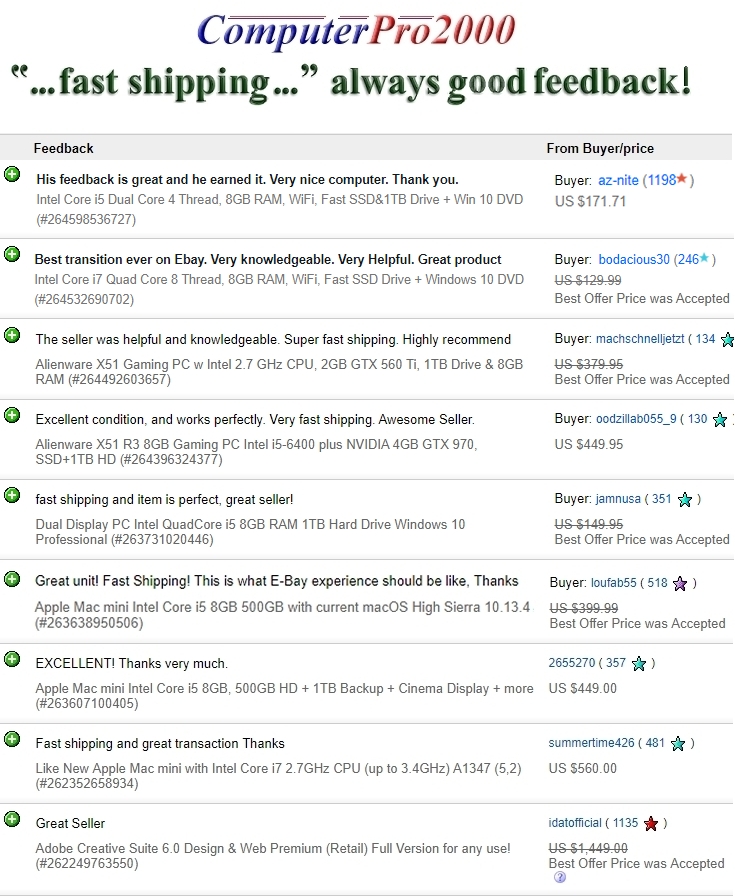
See my great feedback below.
Fast & Free! Ships by USPS Priority Mail
(International buyers see eBay Global Shipping)
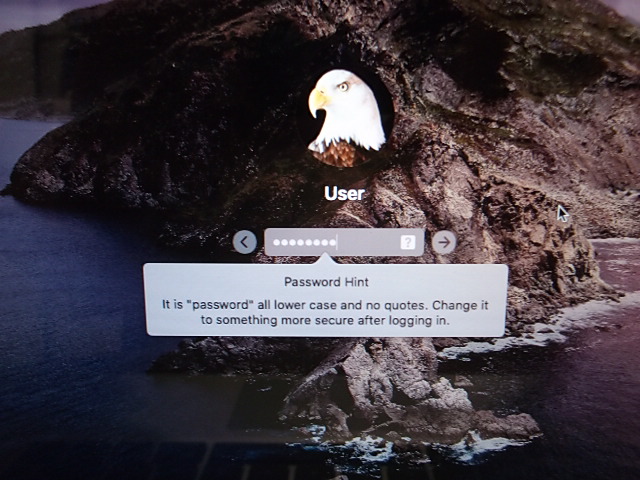
See the password info below for the buyer.
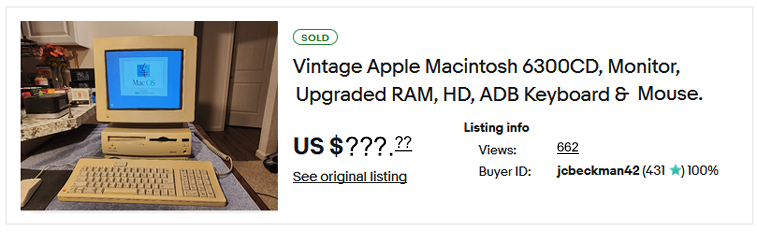
eBay item pricing does not consider upgrades and values fluctuate wildly on eBay & cannot be guaranteed.
In preparing ad, eBay posted this chart.
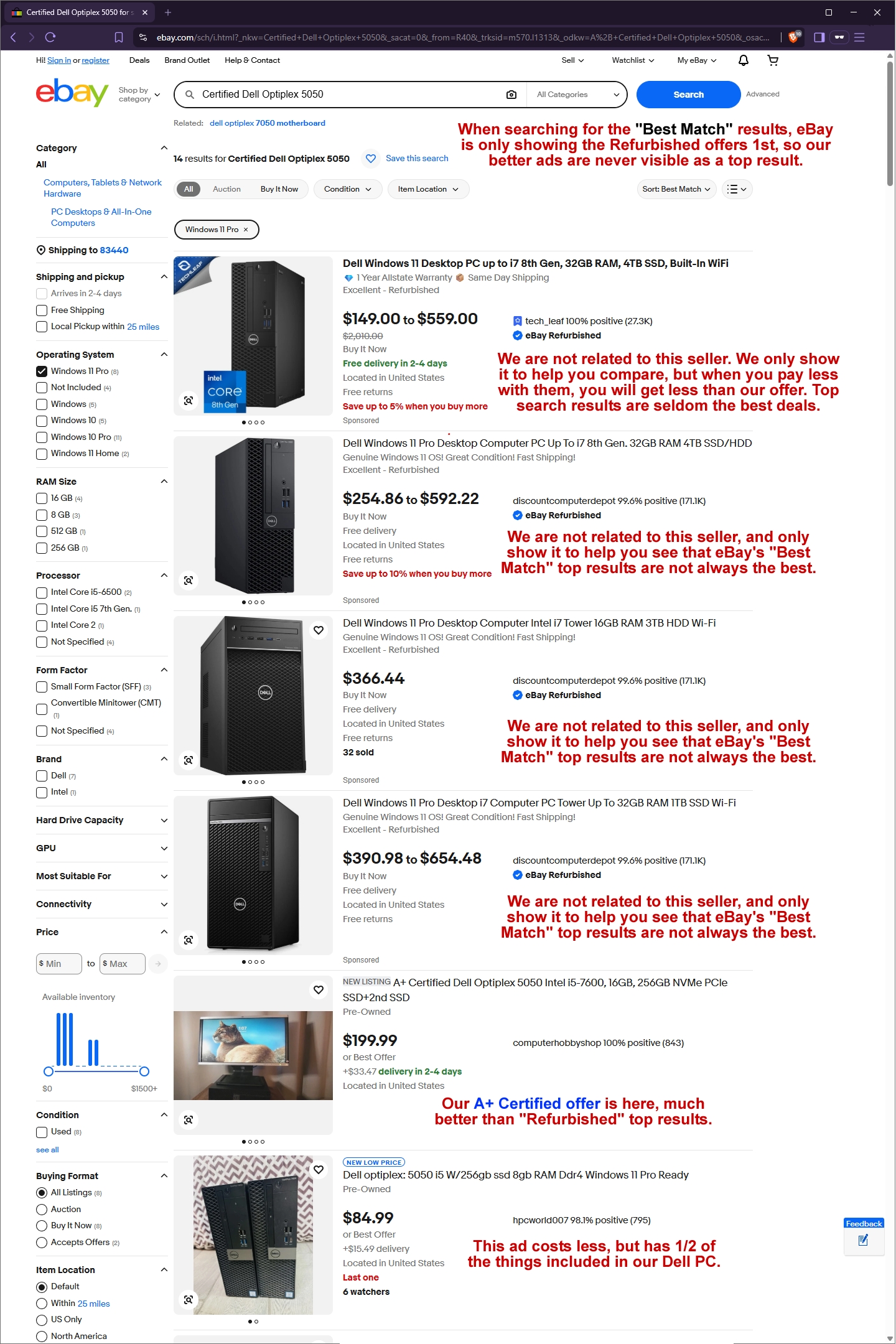
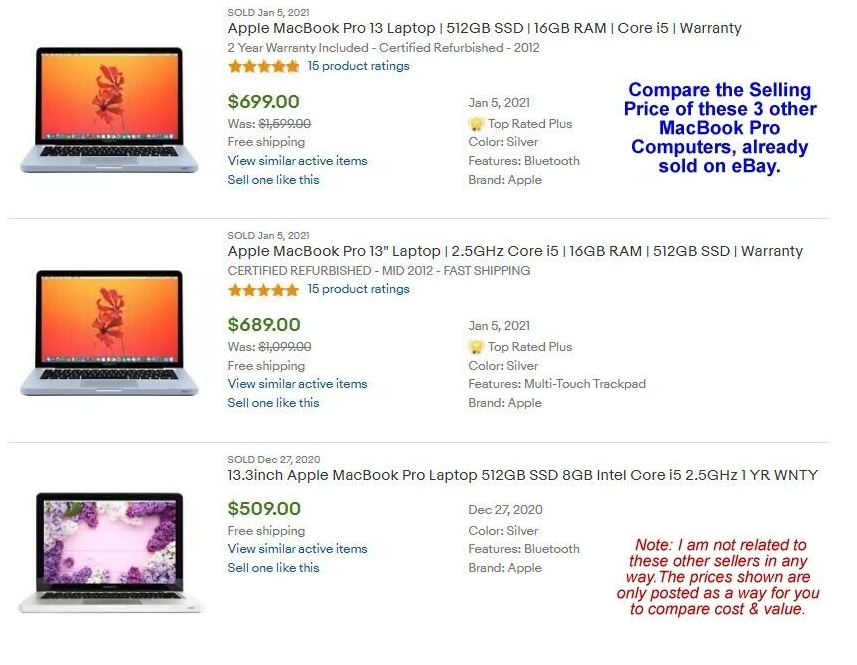
Below is an eBay search to compare price & value of 3 similar sold Laptops.
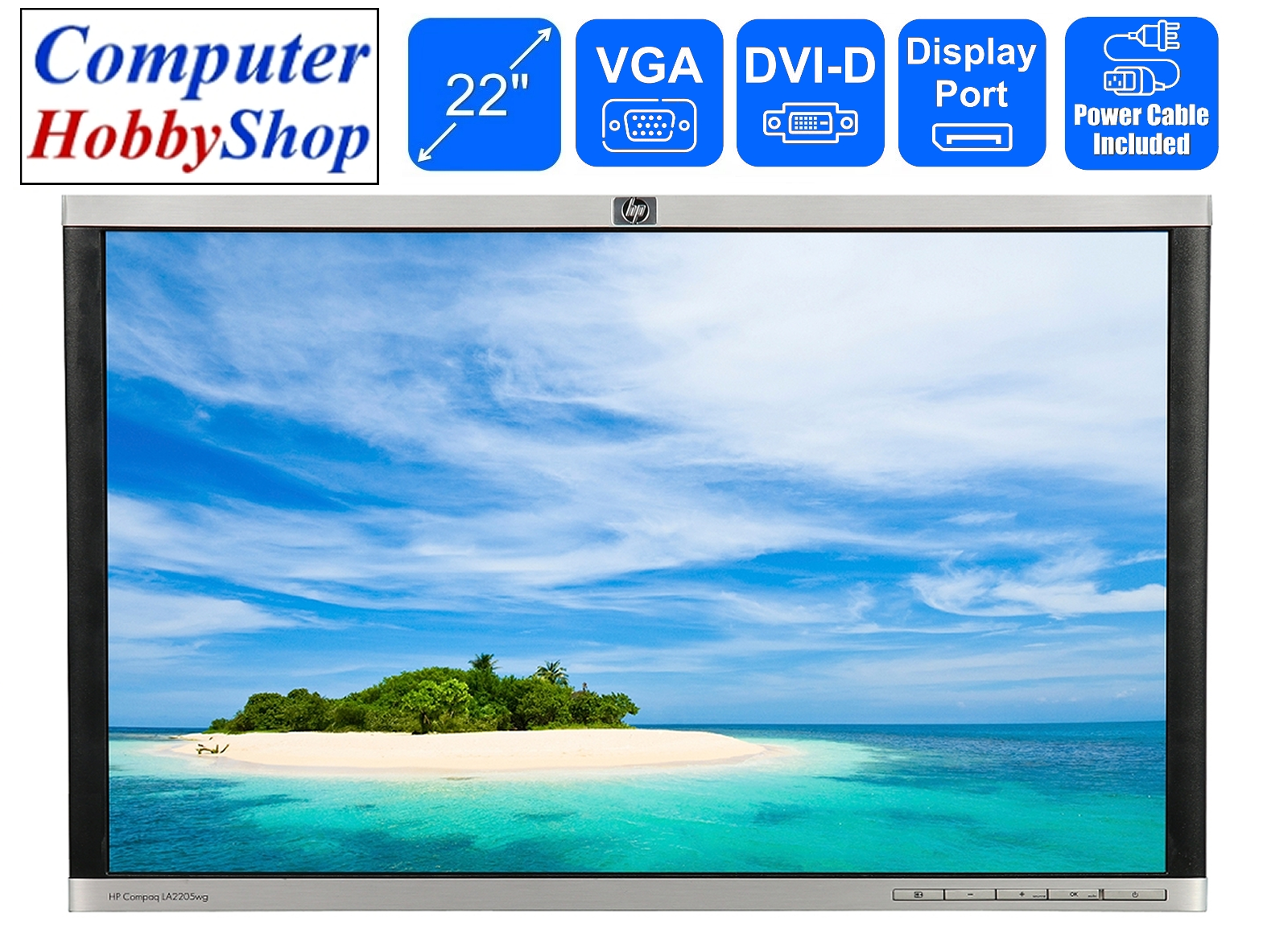
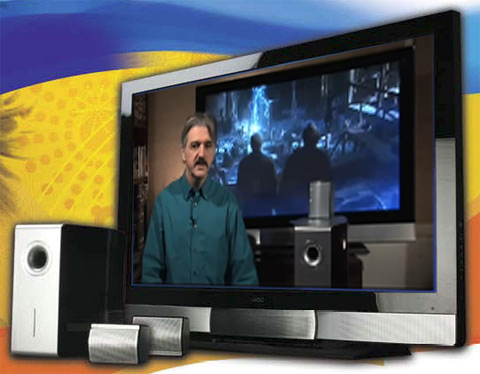
I'm rebelling against trends with my favorite way to surf the net. My PC connects to a large screen 4K TV and I didn't have to spend large on a second screen with a previous model 50" Vizio Family Home Theater/Game Room HDTV. It even supports a max of 1080p resolution. Surprisingly, it is as much fun to use as my newer 4K TV.
It also has VGA & Composite Video ports for older game machines. I've also used it on a Mac mini and Mac Pro plus an Apple TV and my Gaming PC too. It has 1080P resolution and a newer Vizio has 4K.
(Shout out to Vizio! Sponsor a review here of your TVs to increase TVs sold as PC monitors).
Details are posted for my
MacBook Air that sold very fast for $300 less than normal...
Not to rub it in, but the savings missed was on a pretty 2015 Custom Apple Core i7 shown below.
ComputerPro2000
sold it very fast plus eBay & PayPal offer a money-back guarantee.
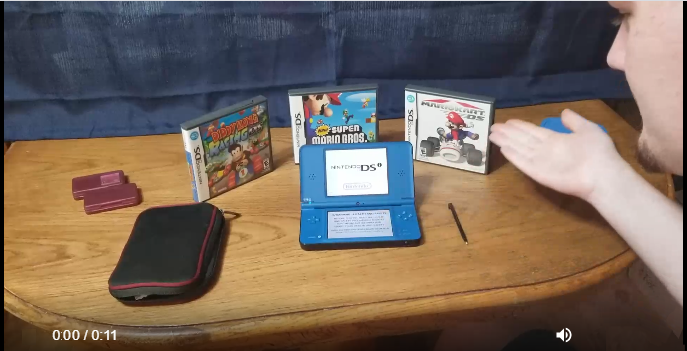
Wow, that last post for a green earth PC finished at 44 bids! When we work hard we'll want to take a break to play a few games too! Here is a nice DSi XL.
Honorable mention goes to naymare-7, who just purchased this on eBay. For him or anyone else interested, here's good news about this DSi XL. If you want to install a lot more fun stuff, I found a video with links to websites, that shows you how to mod it for root access. It seems a lot of people are doing that and you can essentially jail break it to load more games and unlock a lot more of it's features than was previously possible when softmodding this DSi XL console. Although I have not done this yet, it sounds like a lot of fun, which is why I built this hobby website to begin with. I'll see you next time. Won't that be fun!
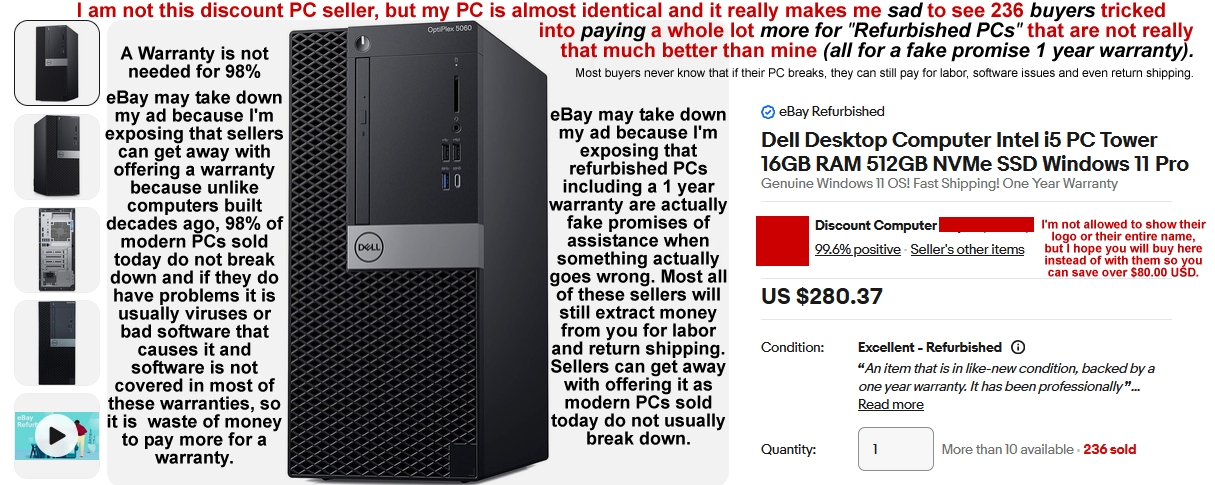
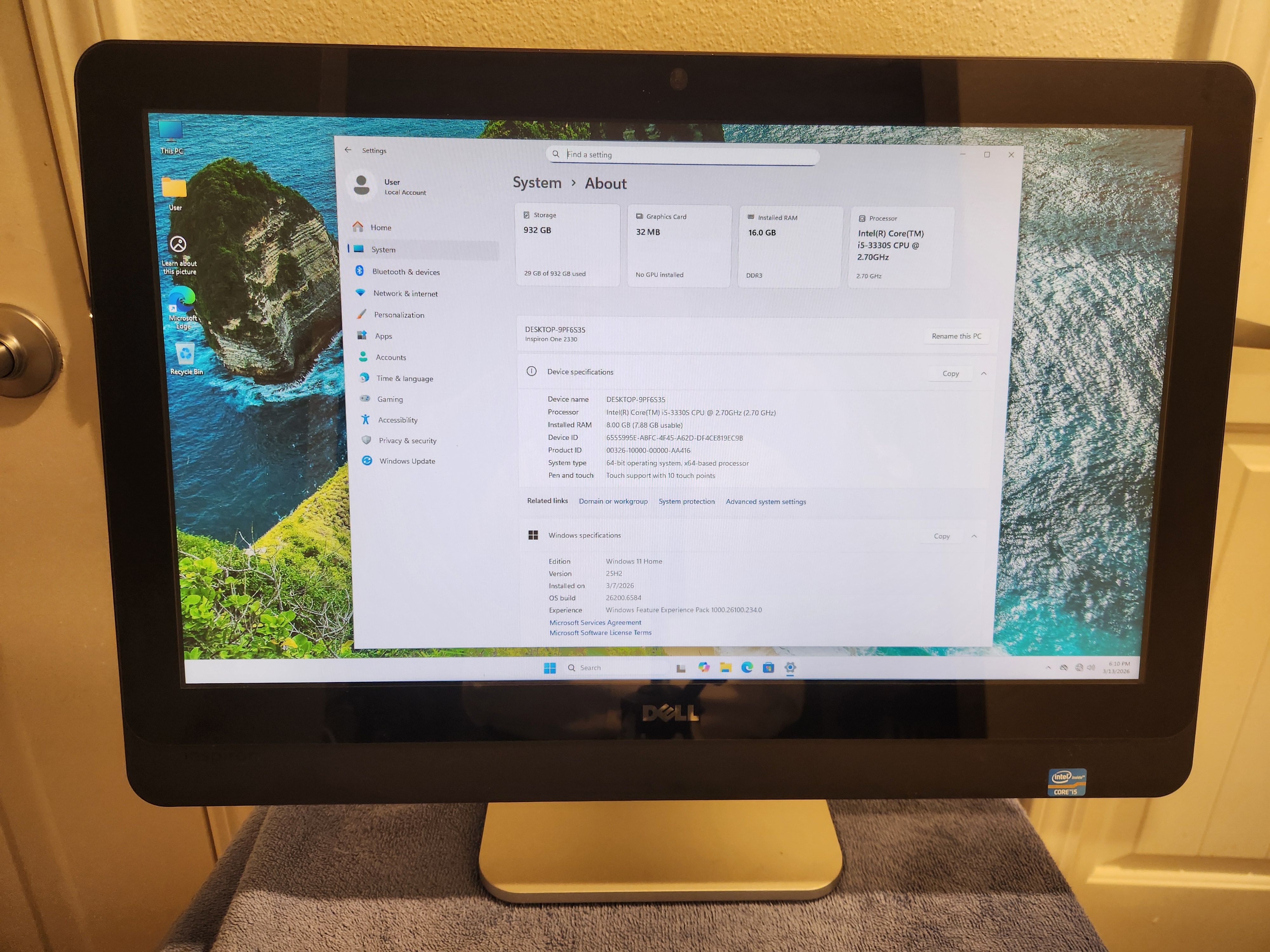
In case anyone else wants to know, I received a question on my Dell Intel Core i5 with Fast SSD Drive.
eBayer kevigadsde_0 wanted to know, ... 'will your computer be able to hook up to my hdmi tv or [does it have to] be a computer montior?' I replied, 'No problem, you just need a DisplayPort to HDMI adapter. You could also adapt DVI to HDMI, but trust me, DisplayPort to HDMI is better ... the adapters are cheap, as found on eBay...' I have converted this PC from "BuyItNow" to an auction and it is at $9.95 at the time of this post.
What, you didn't get to bid? Sorry if you missed it! Don't want to miss out again? To be among the 1st to know subscribe below and if you like games, you're sure to have fun here!
I grew up on a farm & fought for the preservation of wild life. This attitude of a green earth was new to many people, but I followed it into my future work with computers and I just made a Green Earth PC Project for 2020.
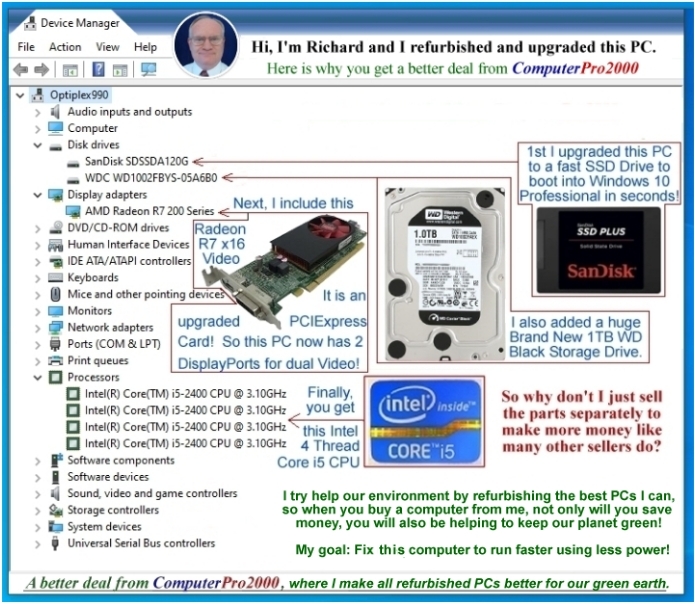
12/30/2019: My last post on eBay for 2019 is where I upgraded a Dell Intel Core i5 with a Fast SSD Drive. It now boots faster into Windows using less power! I also has a new WD Black 1 TB Hard Drive for website graphics, data backups & maybe even a games library too. It was a lot of fun to refurbish. Click the image for more details. Happy New Year!
I think you would have liked how fast I made it.
So you won't miss out again, subscribe below and you can be among the 1st to know. This was my last carefully refurbished project from my last post in 2019. See you in 2020!
12/11/2019: Here's feedback from one I helped on the December 4th post, 'Refurbished Intel Core i7s'. (I think he meant to say, "transaction", but his main point is still clear)....
He bought 3 of my PCs from my post last week and he's very happy!
I'm glad, but so more people get a chance, in the future I'd ask followers to only buy once per post.
12/4/2019: On this date, I've been refurbishing used PCs & Macs just for the fun of it and
I've just finished 4 PCs and 1 Mac. See the Refurbished Intel Core i7s listed below.
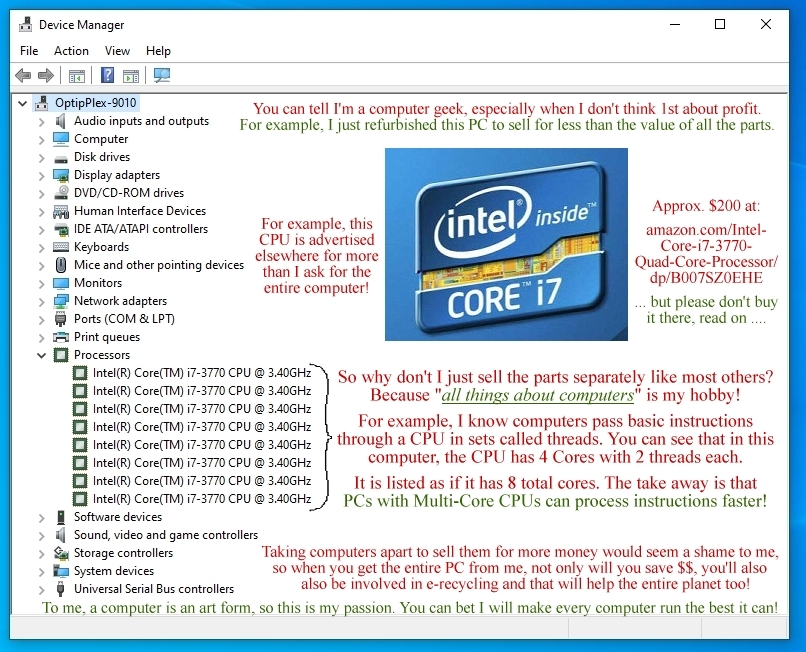
Here an entire PC can sell for less than just the CPU might sell for alone.
What IBM geeks used to gather in User's Groups to help each other out with mainframe issues?
ANSWER ... SHARE was a 1955 group of aerospace industry users of IBM mainframes and is the oldest group still active. Most all of those once popular user's groups & club meetings have long since moved to the Internet as 'THE' source of help.
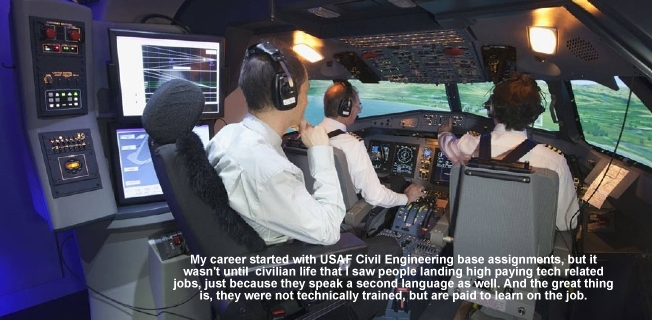
When I taught tech seminars, it was with all expenses paid as I had traved to teach a thousand + clients in the lower 48 states, Alaska, Hawaii + Canada. Traveling trainers get served by a lot of flight attendants.
I always enjoyed traveling, especially to share my best tech ideas. My success helping people has encouraged me to post on this site and share my expert skills!
Eventually, live seminars became less popular than the Internet and times changed.
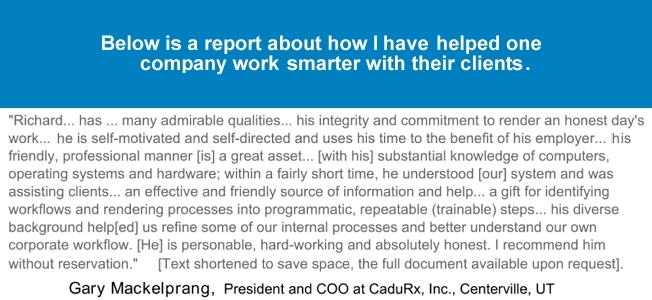
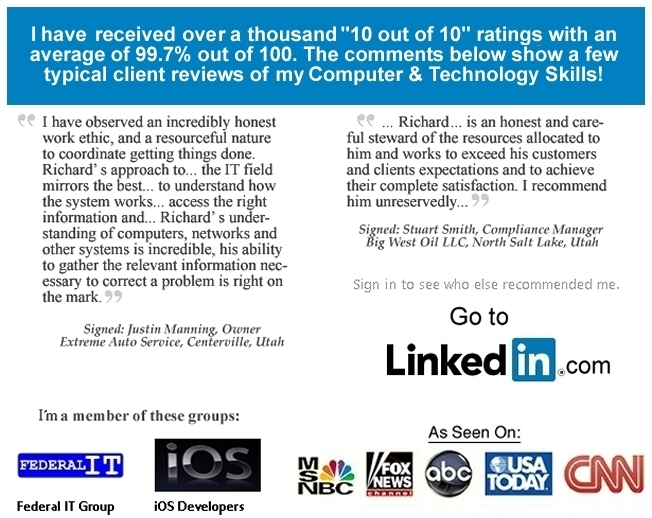
More and more IT work was local and I'd get reviews like past and present ones posted below.
A real challenge was helping students believe they could do well too!
I chose to retire early when the center shut for Covid-19 in 2020.
For a future post, is there any retro Gamer's machine you'd like to hear about? Let me know by email and if you are ready for more upgrade projects, there will be a lot more fun posted here soon!
So you don't miss another post, sign up & subscribe to be notified early.
Want more ComputerHobbyShop & my Newest Posts?
To be among the 1st to know, click the button below. Thank You!
Expert Help, Simplified! Richard is a
Professional IT Trainer,
and a Tech Author who gives you The Best High Tech Advice.
Praise: Great A+ Trainer! Top notch, will tell all my friends about ComputerHobbyShop.
A payment will appear on monthly receipts as "ComputerHobbyShop"
It's easy and you can unsubscribe at any time.









































.png)

.png)
.png)